The atlas
A world of traditions.
102 traditions across 100,000 years. Discover their histories, beliefs and practices, and the connections between them.
Faith centered on Jesus of Nazareth as the Christ, emerging from Second Temple Judaism.
Living2.3 billionTextual evidence
Submission to God (Allah) as revealed in the Quran to the Prophet Muhammad. Muslims understand it as the original monotheism of Abraham.
Living2 billionTextual evidence
The majority tradition, following the Sunnah of the Prophet as transmitted by the community.
Living1.8 billionTextual evidence
The Church in communion with the Bishop of Rome. Its members regard it as continuous with the apostolic church.
Living1.4 billionTextual evidence
A family of traditions built on the Vedas, Upaniṣads, epics and Purāṇas; many adherents call it Sanātana Dharma, the eternal way.
Living1.2 billionTextual evidence
The churches of the Reformation, begun with Luther's 95 Theses in 1517.
Living801 millionTextual evidence
Spirit-filled Christianity spreading from the 1906 Azusa Street Revival.
Living664 millionTextual evidence
The teaching of Siddhartha Gautama, the Buddha, on suffering and liberation; his dates are usually placed c. 563–483 or c. 480–400 BCE.
Living324 millionTextual evidence
The 'Great Vehicle': the bodhisattva path and sutras such as the Lotus and Heart Sutras.
Living288 millionTextual evidence
The Orthodox Catholic Church of Byzantium and its daughter churches.
Living250 millionTextual evidence
Followers of the Prophet's family through Ali and the Imams.
Living230 millionTextual evidence
The 'Way of the Elders', preserving the Pāli Canon.
Living150 millionTextual evidence
The Church of England and the worldwide Anglican Communion.
Living85 millionTextual evidence
The Wesleyan revival movement.
Living75 millionTextual evidence
Coptic, Ethiopian, Armenian, Syriac and other churches that did not accept the Council of Chalcedon (451).
Living65 millionTextual evidence
Worship of the kami. Roots go back to prehistory; the name and texts (Kojiki, 712) are later.
Living45 millionContested
Founded by Guru Nanak (1469–1539). Sikhs understand it as a distinct revelation; historians also note its Sant-Bhakti setting.
Living25 millionTextual evidence
Tantric Buddhism, central to Tibetan, Himalayan and Mongolian traditions.
Living19 millionTextual evidence
Founded by Joseph Smith in 1830. Adherents understand it as a restoration of the original church.
Living18 millionTextual evidence
Judaism of the Mishnah and Talmud, the basis of nearly all Jewish practice today.
Living16 millionTextual evidence
Founded by Bahá'u'lláh, teaching the unity of God, religion and humanity. Bahá'ís regard it as an independent world religion.
Living6 millionTextual evidence
The path of non-violence taught by the Tirthankaras; Mahavira is the 24th. Jains regard the tradition as eternal.
Living6 millionTextual evidence
Founded by Nakayama Miki in 1838, teaching the 'Joyous Life'.
Living3 millionTextual evidence
Radical Reformation believers' baptism: Mennonites, Amish and Hutterites.
Living2 millionTextual evidence
A Vietnamese religion founded in 1926 that openly unites teachings from East and West.
Living2 millionTextual evidence
Emerged from Fatimid Ismailism in 1017. The Druze regard it as a distinct faith.
Living1 millionTextual evidence
Jamaican movement from the 1930s honoring Haile Selassie I.
Living850,000Textual evidence
Monotheist faith centered on Tawûsê Melek, shaped by Sheikh 'Adi ibn Musafir and older Iranian traditions.
Living450,000Textual evidence
Syriac Christianity of the Persian Empire, which reached Tang China by 635.
Living350,000Textual evidence
Worship of Ahura Mazda revealed through Zarathustra; his dates are disputed, from c. 1500 to c. 500 BCE.
Living130,000Contested
A Gnostic baptismal religion honoring John the Baptist; its origins are debated.
Living80,000Contested
Hundreds of nations' traditions of the Dreaming, among the world's oldest continuous cultures. Some knowledge is restricted and not shown.
LivingContested
Founded by Mirza Ghulam Ahmad in 1889. Ahmadis identify as Muslims; many Muslim authorities dispute this.
LivingTextual evidence
Makkhali Gosala's fatalist ascetic school, known mainly from its rivals' texts.
HistoricalTextual evidence
Pharaonic kingship, Ra, Osiris and Isis, ma'at, and an elaborate afterlife recorded in the Pyramid Texts and Book of the Dead.
HistoricalTextual evidence
The Olympians, civic festivals, oracles such as Delphi, and mysteries such as Eleusis.
HistoricalTextual evidence
Pre-Zoroastrian and popular Iranian religion, known indirectly.
HistoricalScholarly reconstruction
The pax deorum kept through public ritual, household lares and the imperial cult.
HistoricalTextual evidence
Huitzilopochtli, Tlaloc and Quetzalcoatl at the Templo Mayor of Tenochtitlan.
HistoricalTextual evidence
The movement of the Báb, proclaimed in Shiraz in 1844.
HistoricalTextual evidence
Heir to Sumer: Marduk and Ashur, the Enuma Elish, divination and astral religion.
HistoricalTextual evidence
Europe's last officially pagan realm: Lithuania, until 1387.
HistoricalScholarly reconstruction
Devotional poetry and practice open across caste lines, from the Tamil Alvars to Kabir.
HistoricalTextual evidence
El, Baal, Asherah and Anat, known especially from the Ugarit tablets; the setting of early Israelite religion.
HistoricalTextual evidence
Afro-Brazilian worship of the orixás, centered in Bahia.
LivingTextual evidence
A Neolithic town where burials beneath floors and wall art suggest ritual centered on the household and ancestors.
HistoricalArchaeological evidence
Druids, sacred groves and deities such as Lugus, known through archaeology and Roman and later Irish sources.
HistoricalScholarly reconstruction
Meditation-centered Mahāyāna that took shape in China, in dialogue with Daoist thought.
LivingTextual evidence
An Andean ceremonial and pilgrimage centre at Chavín de Huántar.
HistoricalArchaeological evidence
Ancestor veneration and local gods, attested since Shang oracle bones.
LivingTextual evidence
The ethical and ritual tradition of Confucius (551–479 BCE); whether it is a religion is itself debated.
LivingTextual evidence
A religion of revealed books and divination (haruspicy), heavily influencing Rome.
HistoricalTextual evidenceThe pre-Christian religion of the Finns, Karelians and Estonians: Ukko, Väinämöinen and the sung poetry gathered into the Kalevala.
HistoricalScholarly reconstruction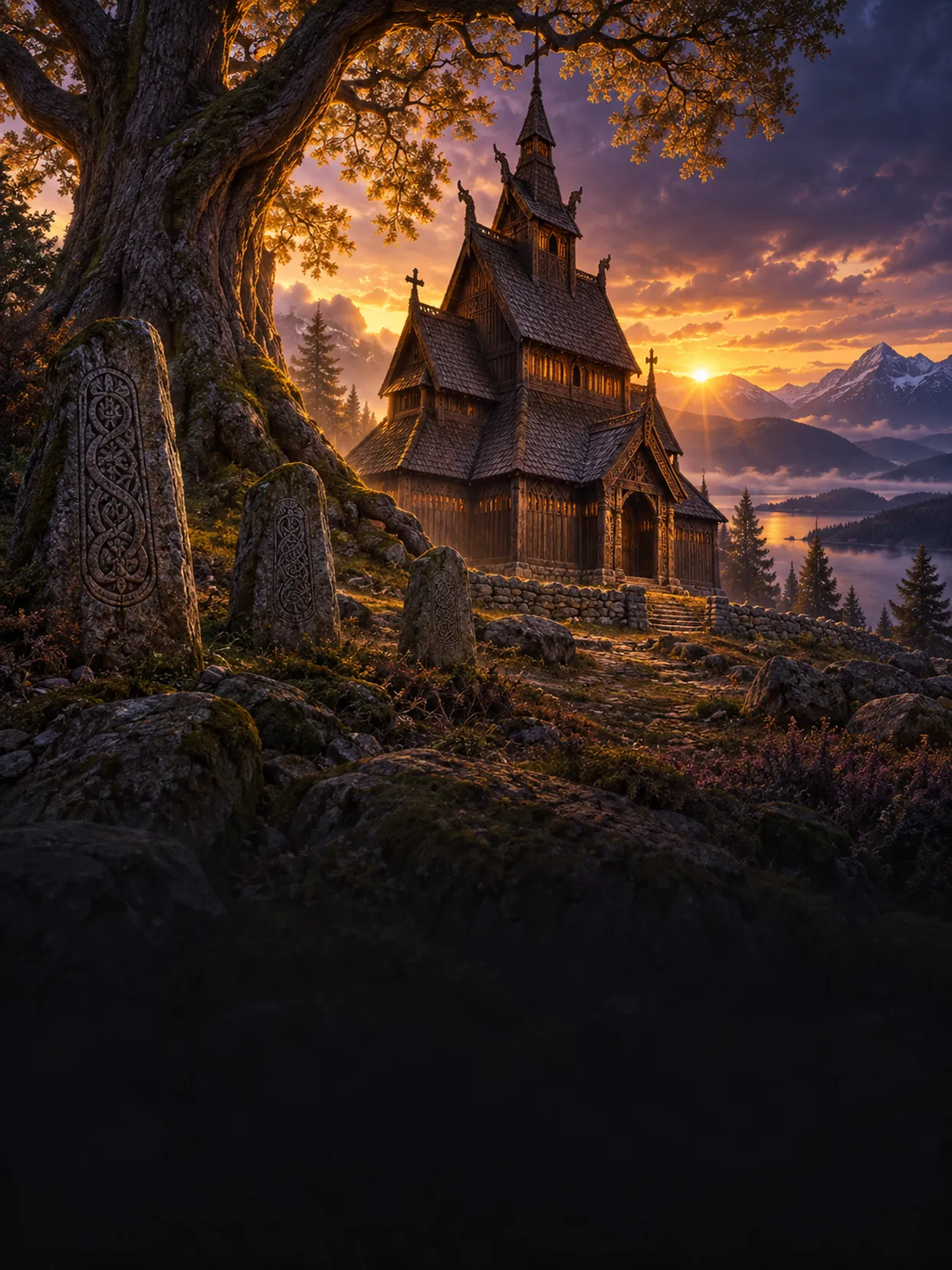
Odin, Thor and Freyja; mostly known from later Christian-era Icelandic sources.
HistoricalScholarly reconstruction
Wovoka's 1889 renewal movement, which spread through Plains nations.
HistoricalTextual evidence
Movements teaching salvation through secret knowledge (gnosis); known from the Nag Hammadi texts.
HistoricalTextual evidence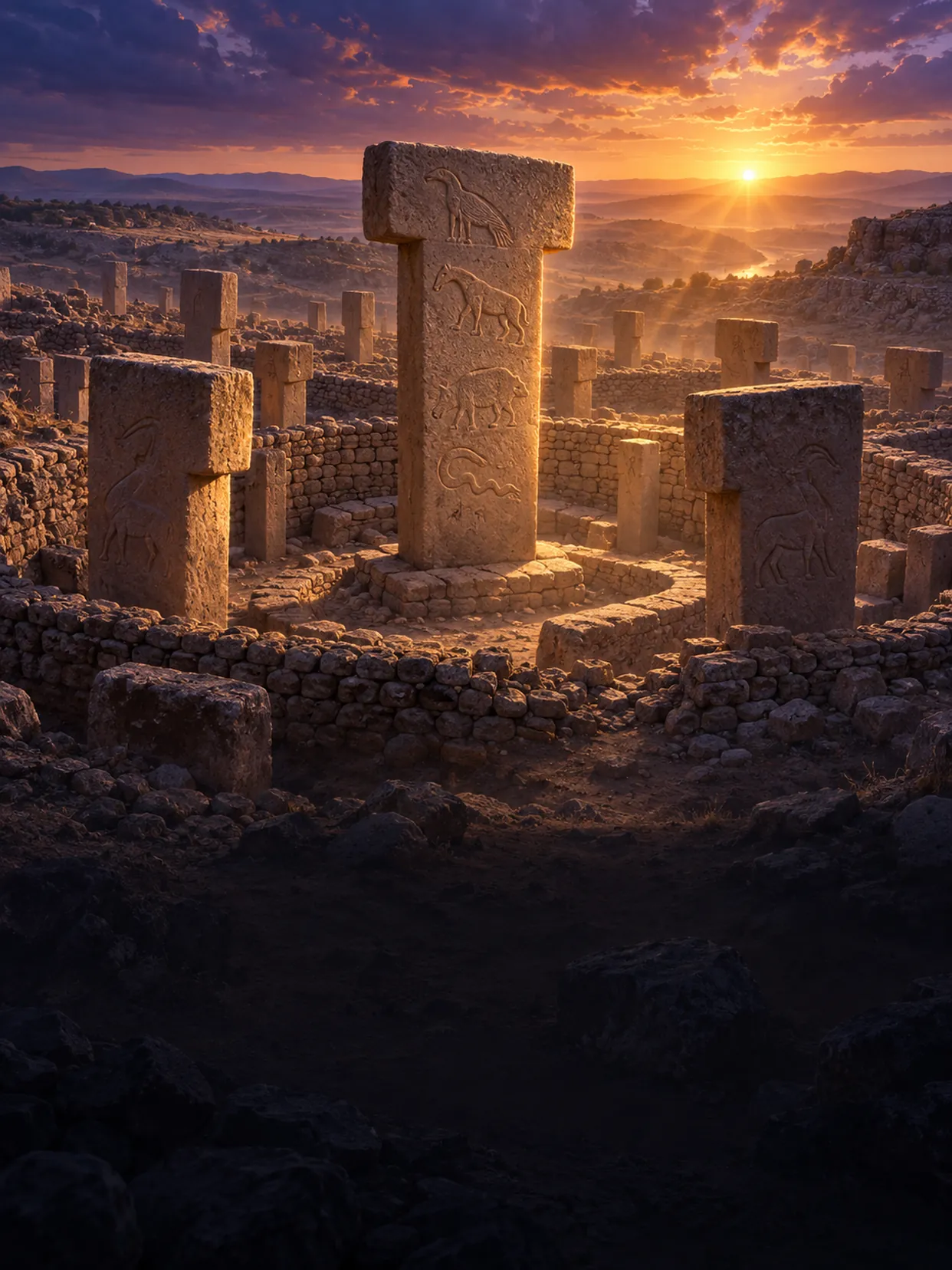
Monumental carved pillar enclosures built by hunter-gatherers; their ritual purpose is widely accepted, their exact meaning debated.
HistoricalArchaeological evidence
Service to the lwa, formed among enslaved Africans in Saint-Domingue.
LivingTextual evidence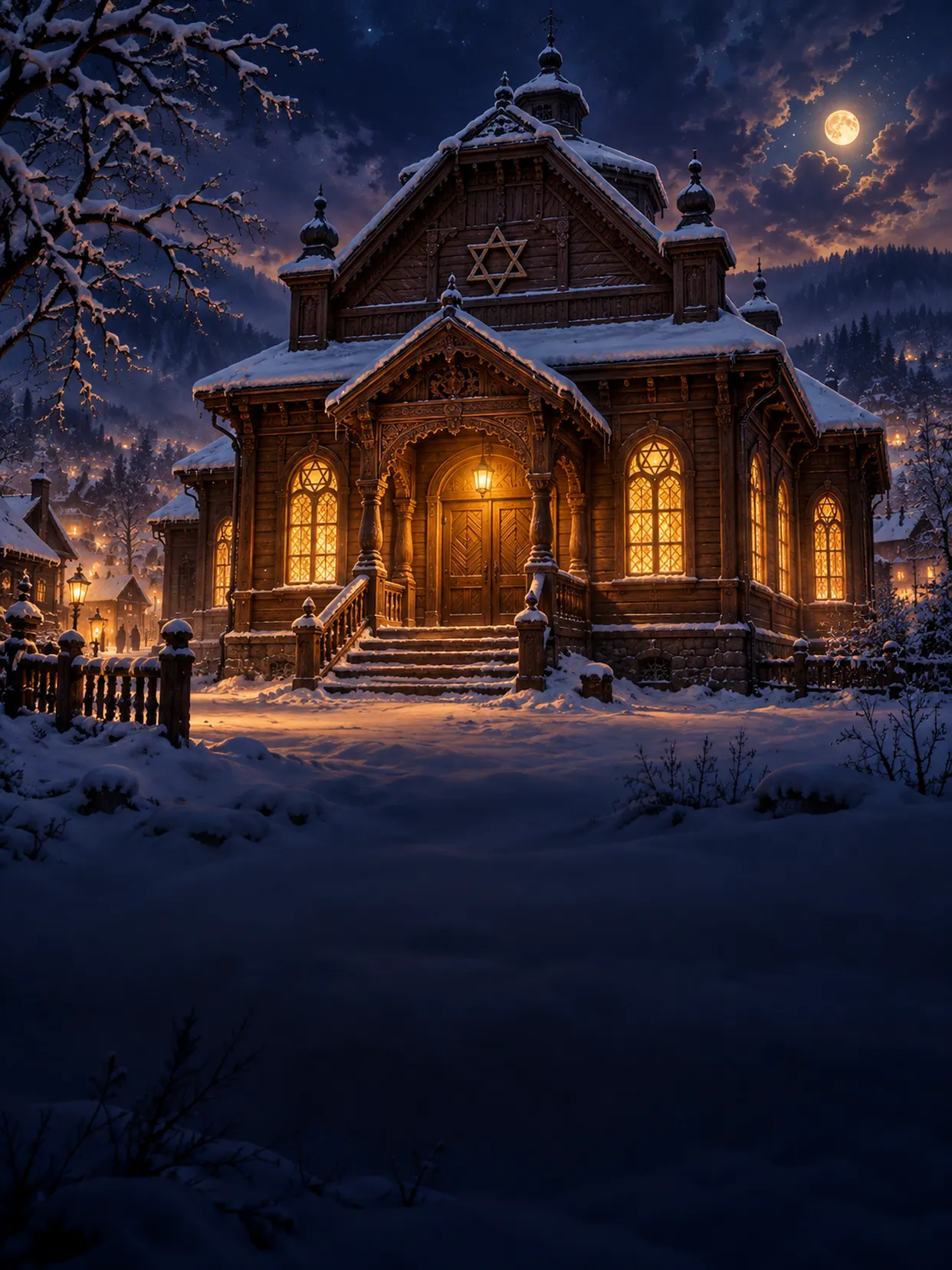
Mystical revival begun by the Baal Shem Tov.
LivingTextual evidence
Modern revival of Germanic religion; Iceland recognized Ásatrú in 1973.
LivingTextual evidence
The Corpus Hermeticum and the esoteric currents it inspired.
LivingTextual evidence
The 'thousand gods of Hatti', absorbing Hattian, Hurrian and Indo-European deities.
HistoricalTextual evidence
The oldest surviving Islamic school outside Sunni and Shia, predominant in Oman.
LivingTextual evidence
Inti the sun, Pachamama and sacred huacas across the Andes.
HistoricalTextual evidence
Shia branch following the line of Isma'il ibn Ja'far.
LivingTextual evidence
Worship of YHWH in ancient Israel and Judah up to the Babylonian exile.
HistoricalTextual evidence
Judaism based on scripture alone, rejecting rabbinic oral law.
LivingTextual evidence
Rituals (gut) led by mudang mediating between people and spirits.
LivingScholarly reconstruction
Mani's dualist world religion, which spread from Roman North Africa to China before disappearing.
HistoricalTextual evidence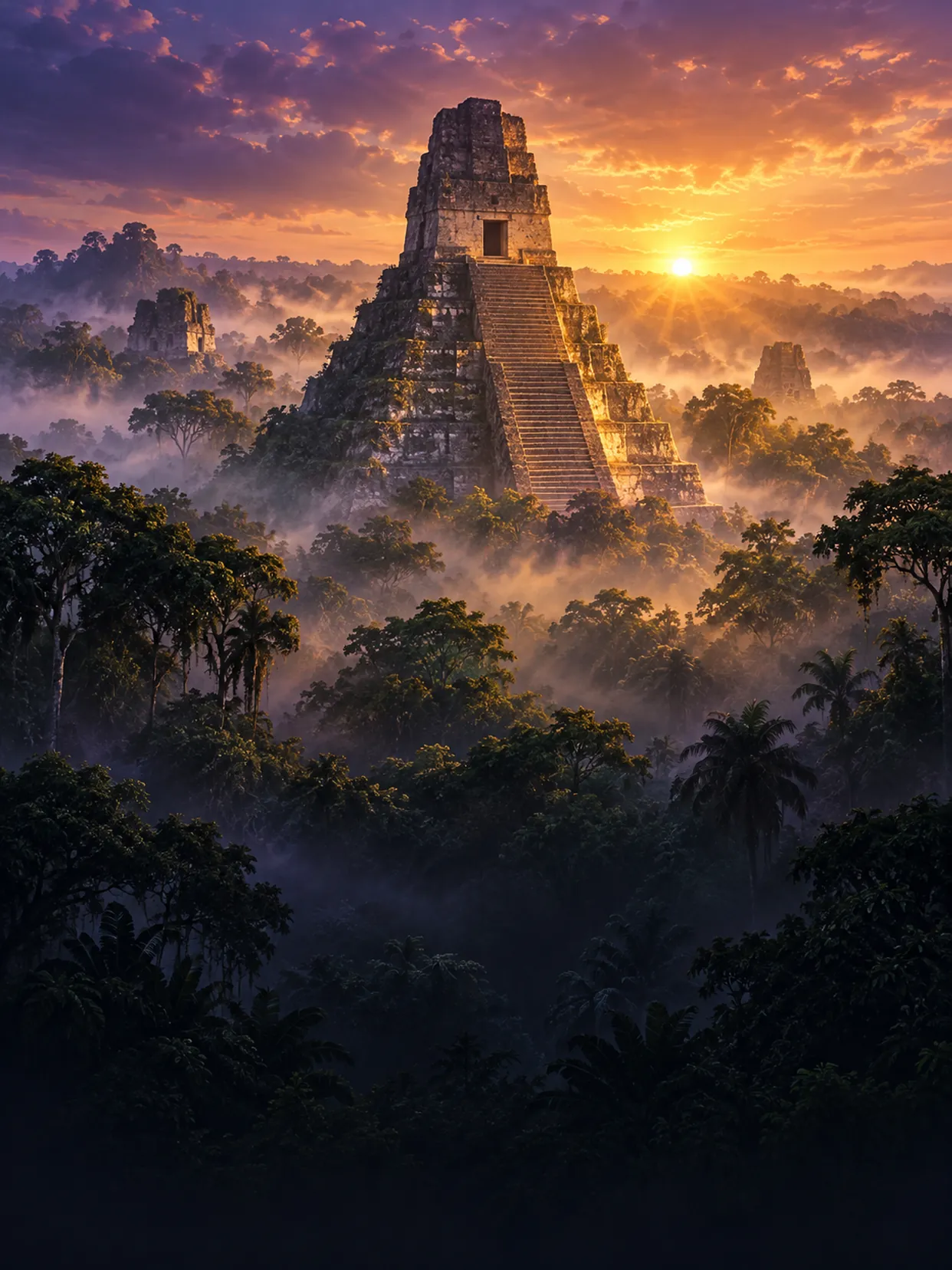
Sacred calendars, kingship and the Popol Vuh; Maya traditional religion continues today.
LivingTextual evidence
Stonehenge, Newgrange, Carnac and the Maltese temples: monuments aligned to the sun and associated with the dead.
HistoricalArchaeological evidence
Peak sanctuaries, bull-leaping and goddess imagery on Bronze Age Crete.
HistoricalArchaeological evidence
Linear B tablets already name Zeus, Hera, Poseidon and Dionysus.
HistoricalTextual evidence
Song-dynasty synthesis of Zhu Xi and others, answering Buddhist and Daoist metaphysics.
HistoricalTextual evidence
Plotinus' philosophy of the One, which became a late pagan religious system.
HistoricalTextual evidence
Colossal heads, were-jaguar imagery and early Mesoamerican ritual.
HistoricalArchaeological evidence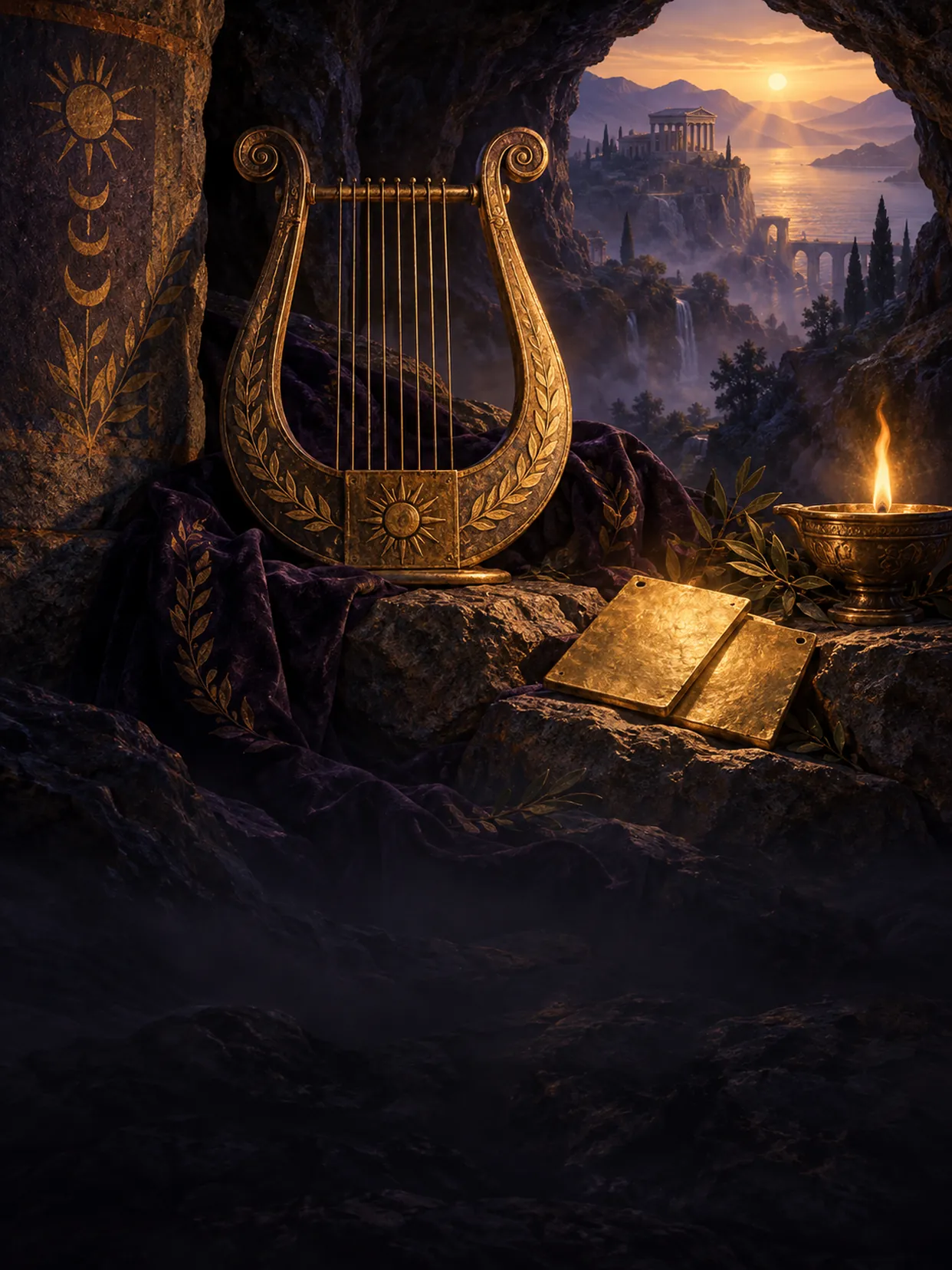
Mystery tradition attributed to Orpheus, concerned with the soul's fate.
HistoricalTextual evidence
Deliberate burials (Qafzeh, Skhul) and painted caves (Lascaux, Chauvet, Sulawesi) are the earliest evidence many scholars read as ritual.
HistoricalArchaeological evidence
Tangaroa, Tāne and mana across the Pacific, from Hawaiʻi to Aotearoa.
LivingScholarly reconstruction
Reconstructed by comparing daughter traditions: a sky father (*Dyḗus ph₂tḗr), a storm god, and sacrifice.
HistoricalScholarly reconstruction
Common ancestor of Vedic and Iranian religion; shared terms such as soma/haoma and ṛta/aša.
HistoricalScholarly reconstruction
Devotion to Amitābha Buddha and rebirth in his Pure Land.
LivingTextual evidence
Liberal Judaism that emerged in 19th-century Germany.
LivingTextual evidence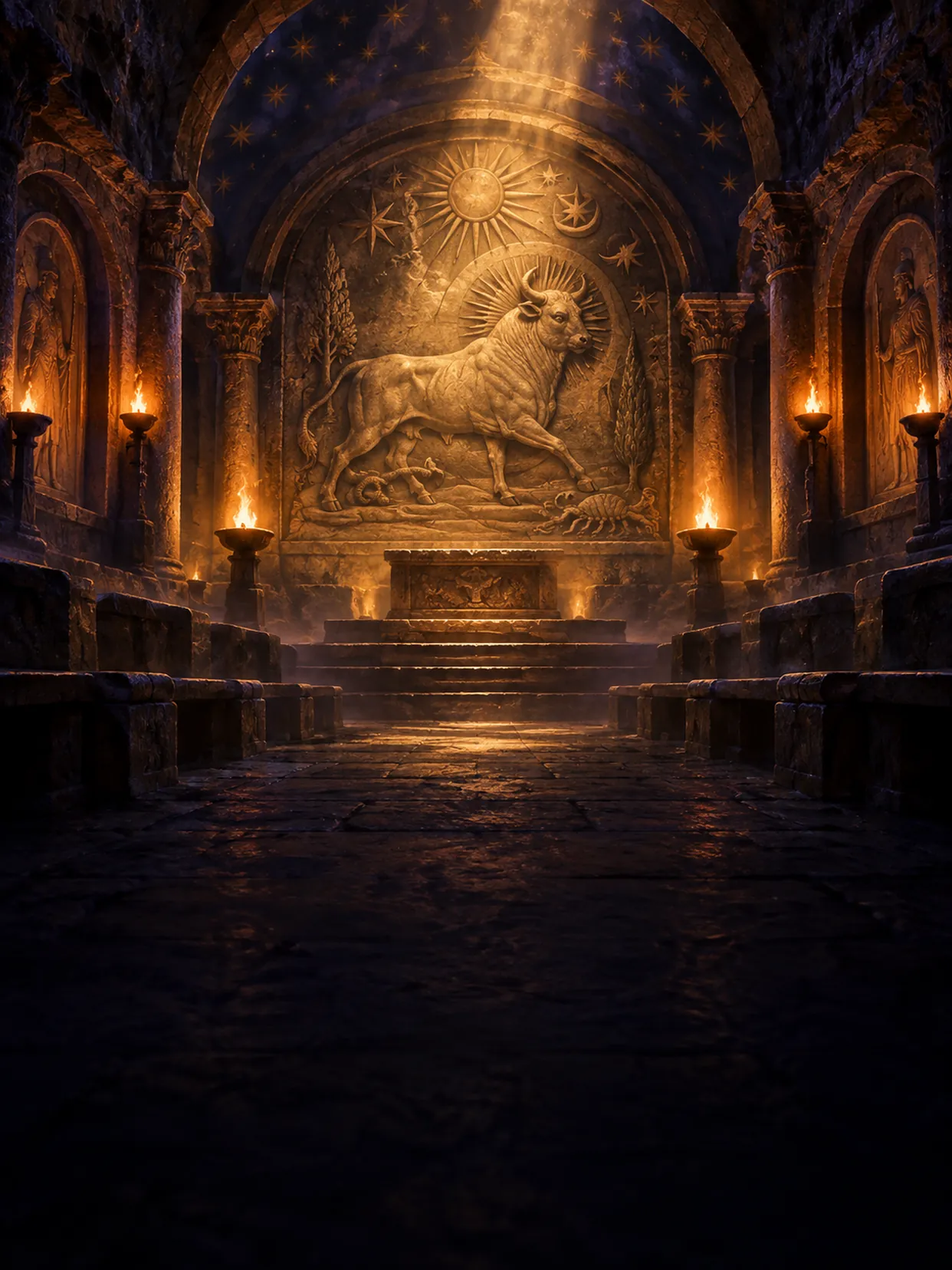
A Roman mystery cult of Mithras slaying the bull; how much it owes to Iranian Mithra is debated.
HistoricalArchaeological evidence
Israelite religion centered on Mount Gerizim and the Samaritan Pentateuch.
LivingContested
Yoruba religion preserved in Cuba alongside Catholic saints.
LivingTextual evidence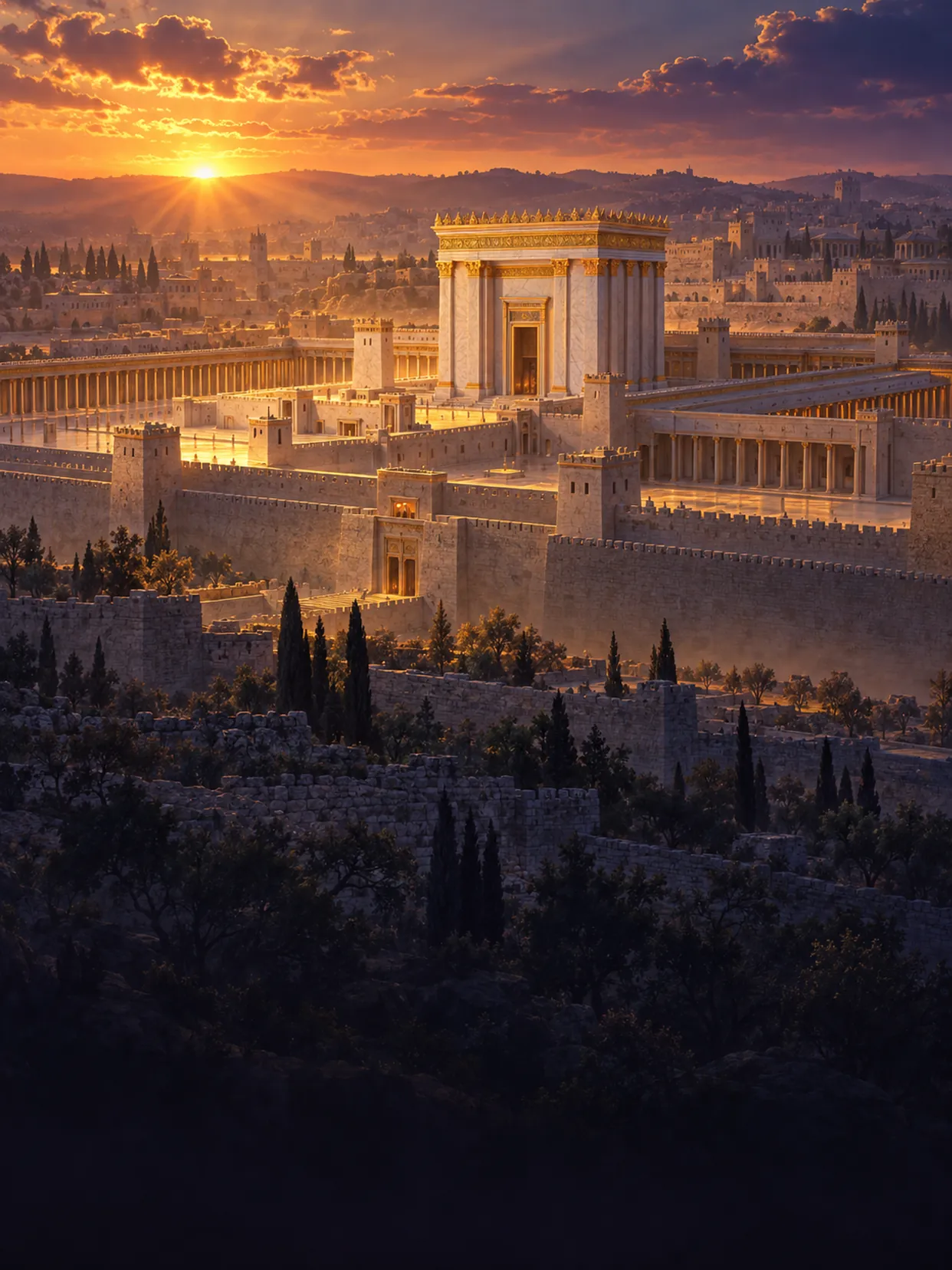
From the return from exile to the Temple's destruction in 70 CE: Pharisees, Sadducees, Essenes.
HistoricalTextual evidence
Devotion to Shiva, from Kashmir Shaivism to the Tamil Shaiva Siddhanta.
LivingTextual evidence
Worship of the Goddess (Devi) as supreme power.
LivingTextual evidence
Perun, Veles and household spirits, reconstructed from fragmentary sources.
HistoricalScholarly reconstruction
Wandering ascetics outside Vedic ritual; the matrix of Jainism, Buddhism and Ājīvika.
HistoricalScholarly reconstruction
The mystical path of Islam, organized into orders (tariqas) found in both Sunni and Shia worlds.
LivingTextual evidence
City gods such as Enlil, Inanna and Enki housed in ziggurat temples; among the oldest written religious texts.
HistoricalTextual evidence
The Dao of the Daodejing and Zhuangzi; religious Daoism organized from 142 CE with the Celestial Masters.
LivingTextual evidence
The steppe religion of Tengri, the Eternal Blue Sky, of the Xiongnu, Turks and Mongols.
LivingScholarly reconstruction
Blavatsky's Theosophical Society, a bridge for Asian religions into the West.
LivingTextual evidence
The largest Shia branch, awaiting the return of the twelfth Imam.
LivingTextual evidence
Devotion to Vishnu and his avatars, especially Krishna and Rama.
LivingTextual evidence
Fire sacrifice and the hymns of the Vedas to Agni, Indra and Soma.
HistoricalTextual evidence
Religion of the Fon and Ewe peoples; Benin marks a national Vodun day.
LivingContested
Modern pagan witchcraft publicized by Gerald Gardner.
LivingTextual evidence
Olodumare, the orishas and Ifá divination; its roots are older than the Ife dates used here.
LivingContestedNo traditions match these filters.