
Overview
Zoroastrianism is one of the oldest religions still practised, rooted in the hymns of Zarathustra, a priest-poet of ancient eastern Iran whose dates are still argued over. Zoroastrians worship Ahura Mazdā, the Wise Lord, and see the world as a struggle between aša, truth and right order, and druj, the lie. Each person is free to choose a side, and the tradition sums up the right choice as good thoughts, good words and good deeds. It flourished under Iran's pre-Islamic empires and was the state religion of the Sasanian kings; after the Arab conquest of the 7th century it slowly gave way to Islam in Iran. Today it lives on in the Parsis of India, the Zoroastrians of Iran and a worldwide diaspora. Fire, kept burning in temples, is the focus of their prayer.[4, 9, 11–15]
History
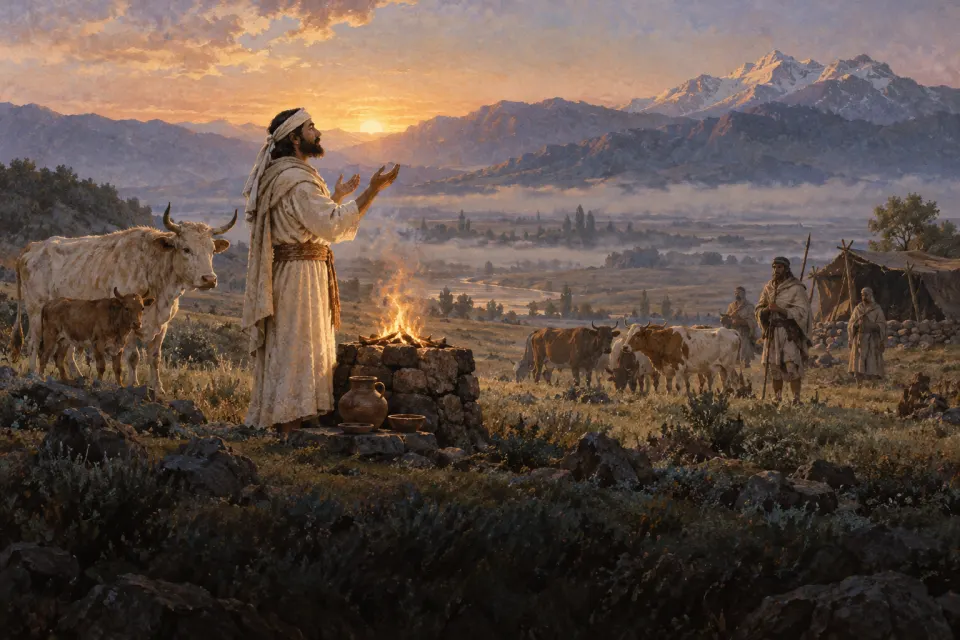
Zarathustra and the Gāthās c. 1500–500 BCE
Zoroastrians trace their faith to Zarathustra, by tradition the composer of seventeen hymns called the Gāthās. The hymns mention no place or person known from other records, so his date is uncertain. A later Persian tradition put him 258 years before Alexander, in the 6th century BCE; many scholars prefer a date around 1000 BCE or earlier, because the hymns' Old Avestan language is so close to the Sanskrit of the Rigveda. The later Avesta places its world in eastern Iran. Priests kept the hymns by memory for many centuries.[16–18]
The Persian empires c. 550 BCE–224 CE
The Achaemenid kings worshipped Ahura Mazdā. At Bisotun, around 520 BCE, Darius I carved a trilingual account of his seizure of power, crediting his throne to the god's favour. Yet no royal inscription names Zarathustra, and scholars still disagree about how Zoroastrian these kings were. Hereditary priests called magi served at court. After Alexander's conquest in 330 BCE the evidence thins, but Parthian records from Nisa show the Zoroastrian calendar in use by the 1st century BCE.[19–21]
A Sasanian state religion 224–651 CE
The Sasanian dynasty made Zoroastrianism the state religion, funding fire temples and a ranked priesthood. In the late 3rd century the high priest Kartir boasted in rock inscriptions of striking at Jews, Buddhists, Hindus, Christians and others. Priests gathered the oral scripture and, probably in the 4th century, wrote it down in a new alphabet built to capture every sound of the recitation. Ādur Gushnasp, one of the empire's three great fires and linked with warriors and kings, burned at the site now called Takht-e Soleyman.[22–25]
Conquest and a long decline in Iran 651–1882
Arab armies broke the Sasanian empire, and its last king, Yazdegerd III, died in 651. Conversion to Islam was slow: townspeople largely converted between the 8th and 10th centuries, villagers over the next three. Zoroastrians paid the jizya, a poll tax on protected non-Muslims, and the faithful gathered around Yazd and Kerman, where Muslims called them gabr, an insult. Under the Safavid and Qajar shahs they faced forced conversions and lost temples to mosques. In 1882, after lobbying by the Parsi envoy Manekji Limji Hataria and British officials, the shah abolished the tax.[26–29]
The Parsis of India c. 8th century–1947
According to the Qissa-i Sanjan, a Persian poem finished by a priest in 1599–1600, Zoroastrian refugees sailed from Iran to Gujarat, were allowed to settle at Sanjan, and founded a sacred fire there. The poem uses round numbers, so scholars date the landing anywhere from 716 to 936. For centuries the Parsis lived mainly as farmers in Gujarat, writing to priests in Iran for rulings from 1477. Their fire, now called Iranshah, was later moved to Udvada. Under British rule many moved to Bombay and grew rich in trade, shipbuilding and industry.[30–33]
A global community 1947–present
Parsis settled in Britain and later North America and Australia, and after the 1979 revolution many Iranian Zoroastrians emigrated, most to North America. Numbers are falling, above all in India: censuses counted about 114,000 Parsis in 1941 and 57,264 in 2011. Demographers blame very low fertility first; many Parsis never marry, and some marry outside the community. Whether to accept converts, or the children of Parsi women who marry out, is hotly debated: priests in India generally refuse, while a few abroad have initiated converts.[34–37]
Key moments
- c. 1200 BCEZarathustra and the Gathas · Eastern Iran or Central Asia
- c. 520 BCEDarius carves his victory at Bisotun · Mount Bisotun, Kermanshah, Iran
- c. 400 CEThe Avesta is written down · Sasanian Iran
Beliefs
Ahura Mazdā · اهورامزدا
Wise Lord
Zoroastrians worship Ahura Mazdā as the wholly good creator of the spiritual and material worlds. Later forms of the name are Ohrmazd and Hormazd. Since 19th-century missionaries in Bombay attacked their dualism, many Parsis have stressed a strict monotheism.[38–39]
Aša and druj
Truth or right order, and the lie
Aša is the true and proper order of the world; druj is its opposite, deceit and disorder. The contrast is older than Zarathustra, for the Vedas know a related pair, ṛta and druh. Aša is especially linked with fire.[40]
The two spirits and free choice
A Gāthā tells of two primal spirits, one bounteous and one destructive, who chose between better and worse in thought, word and deed. Every person faces the same choice and is responsible for the outcome. Later texts set Ahura Mazdā himself against the destructive spirit, Angra Mainyu (Ahriman), but tradition holds that the struggle is unequal and evil will be defeated.[41–42]
Good thoughts, good words, good deeds · humata, hūxta, hvaršta
This triad is the tradition's own summary of its ethics; the sacred cord is wound three times round the body as a reminder. Zoroastrian ethics favour an active life of work, marriage, children and charity, and reject fasting and celibacy outside purity rites.[43–44]
Amesha Spentas · امشاسپندان
Bounteous Immortals
Six divine beings work with Ahura Mazdā, each guarding part of creation: Good Mind (cattle), Best Truth (fire), Desirable Dominion (metal), Holy Devotion (earth), Wholeness (water) and Immortality (plants). Their names occur in the Gāthās, but the group name first appears in the slightly later Yasna Haptanghaiti. Lesser divine beings, the yazatas, assist them.[45]
Chinvat Bridge · پل چینود
Zoroastrians believe the soul stays by the body for three nights and is judged at dawn on the fourth day by Mithra, Sraosha and Rashnu, then meets its own conscience as a lovely maiden or a hideous hag. For the righteous the bridge widens and leads to the House of Song; for the wicked it narrows like a blade over hell. Souls whose deeds balance wait in a place between.[46]
Frashokereti · فرشکرد
Making excellent; the final renovation
Zoroastrians expect saviours, the last called the Saoshyant, at the end of time. The dead will rise, all humanity will pass through a river of molten metal, mild as warm milk to the just but burning the wicked clean, and evil will be destroyed. Hell's torments are therefore not eternal, and the world is made perfect again.[47]
Practice

Fire temples and the grades of fire · آتشکده
Prayer is offered facing a source of light, and in temples before a fire that priests feed at least five times a day. Temple fires come in three grades: the Atash Behram, made from many fires purified and consecrated in lengthy rites; the Atash Adaran; and the Dadgah, which can be kindled from a pure hearth.[48–49]
Initiation: navjote or sedreh-pushi · سدرهپوشی
Children, usually between seven and fifteen, are initiated by a priest after learning basic prayers. They put on the sudreh, a white cotton undershirt, and the kusti, a woollen cord of 72 threads wound three times round the waist and knotted front and back, which they untie and retie with prayers each day.[50]
Prayer and purity
The day is divided into five watches (gāhs), each with its prayers. Purity shields the good creation from the pollution of death: a quick washing (pādyāb) before prayer, a fuller ritual bath before initiation or marriage, and a nine-night purification (barashnom) for priests serving the highest rites. Priests wear a white mouth-veil (padān) so their breath does not reach the fire.[51]
The Yasna and the priesthood
The central high ritual, the Yasna, is performed by two priests in a state of purity, who recite the 72-chapter text while preparing a drink of haoma, milk and water. The priesthood passes from father to son, but many priests' sons now take secular jobs, and the shortage has led to shortened rites and, in Iran and North America, trained lay assistants.[52–53]
Death and the dakhma · دخمه
Because a corpse is thought highly polluting, tradition forbids burying or burning it. Bodies were laid in a dakhma, or tower of silence, for vultures, and the sun-dried bones swept into a central pit. Iranian Zoroastrians moved to cement-lined graves during the 20th century, and most diaspora communities bury or cremate. Mumbai's towers remain in use, but since India's vultures collapsed in the 1990s solar reflectors have been installed to speed decomposition.[54–56]
Holy days
The year ahead
| Date | Holy day | Reckoned |
|---|---|---|
| 26 December 2026 | Zartosht No-Diso زرتشت نو دیسو | 11 Dae (Fasli reckoning) |
| 30 January 2027 | Jashn-e Sadeh جشن سده | 30 January |
| 21 March 2027 | Nowruz (Fasli) نوروز | 1 Farvardin (Fasli reckoning) |
| 21 March 2027 | Nowruz (Iran) نوروز | 1 Farvardin, Iranian solar calendar |
| 26 March 2027 | Khordad Sal (Fasli) خرداد سال | 6 Farvardin (Fasli reckoning) |
| 16 July 2027 | Nowruz (Kadmi) نوروز | 1 Farvardin (Kadmi reckoning) |
| 15 August 2027 | Nowruz (Shenshai, Parsi New Year) نوروز | 1 Farvardin (Shenshai reckoning) |
| 20 August 2027 | Khordad Sal (Shenshai) خرداد سال | 6 Farvardin (Shenshai reckoning) |
| 2 October 2027 | Mehregan مهرگان | 16 Mehr (Fasli reckoning) |
Nowruz (New Year) · نوروز
1 Farvardin: 21 March (Fasli, Iran); July (Kadmi); August (Shenshai)
The spring new year, linked with the return of Rapithwin, spirit of noon and summer. The Parsi calendars have drifted from the seasons, so many Parsis keep their new year in late summer, after a day of repentance called Pateti, and also mark Jamshedi Navroz in March.[57]
Gahambars · گاهنبار
Six five-day feasts spread through the year
Six seasonal feasts, marked with worship and shared meals and still widely kept in Iran. The last falls in the five Gatha days that close the year, when the souls of the dead are remembered.[58]
Mehregan · مهرگان
Mihr day of the month Mihr (autumn)
The autumn feast of Mithra, the divine guardian of covenants, once honoured as highly as Nowruz.[59]
People

Zarathustra (Zoroaster) · زرتشت
founder · Disputed; c. 1500–500 BCE
A priest of the Spitama family, he speaks in the Gāthās of rejection by his own people and of finding a patron in a ruler named Vishtaspa. Later legend, shaped partly by Jewish, Christian and Muslim models of a prophet, adds a miraculous birth, a revelation at thirty and death at 77 at the hands of a rival priest.[60]

Darius I
ruler · r. 522–486 BCE
The Achaemenid king whose Bisotun inscription, in Old Persian, Elamite and Babylonian, attributes his victory over the usurper Gaumata and other rebels to Ahura Mazdā. He also honoured other gods, and never mentions Zarathustra.[61]

Kartir
other · active c. 240–293 CE
A priest who rose under Shapur I and his successors to become the leading religious authority of the Sasanian empire, styled judge and master of rites. His inscriptions record his career and visions of the afterlife. Mani, founder of Manichaeism, died in prison during his ascendancy.[62]
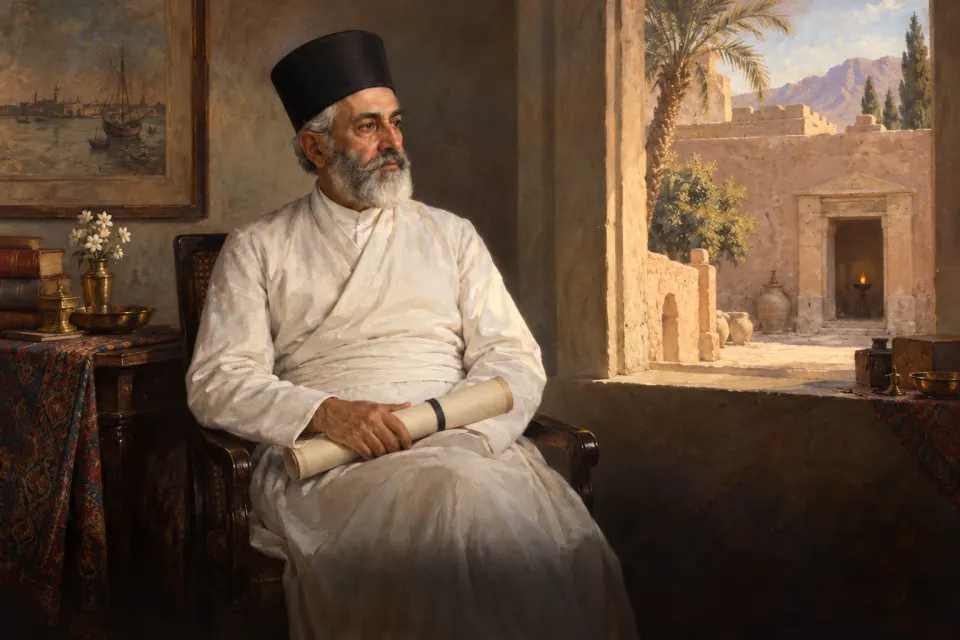
Manekji Limji Hataria
other · 1813–1890
A Parsi from near Surat, sent to Iran in 1854 by a Parsi relief society. He surveyed the community, founded schools from 1860, repaired fire temples and towers of silence, and campaigned until the shah abolished the jizya in 1882.[63]
Scripture
Yasna
Gāthās c. 1000 BCE or earlier
The 72-chapter liturgy recited in the central ritual. It embeds the oldest Zoroastrian texts, in Old Avestan: the seventeen Gāthās (chapters 28–34, 43–51 and 53), the prose Yasna Haptanghaiti (35–41) and the great prayers such as the Ahuna Vairya. The other chapters are in Young Avestan.[64]
Yashts
Twenty-one hymns in Young Avestan, each praising a divine being such as Mithra, the water goddess Anahita or the star Tishtrya. Rich in myth and legends of heroes, they show older Iranian gods returning to worship after Zarathustra.[65]
Vendidad
The law against the demons: 22 chapters of Young Avestan prose, mostly rules for keeping the earth, water and fire pure, cleansing after contact with corpses, and atoning for sins. It is recited in a long night-time ritual.[66]
Bundahishn
Primal Creation, a Middle Persian (Pahlavi) compendium compiled in the 9th century and later, drawing on lost Avestan material. It tells of creation, the battle of Ohrmazd and Ahriman across world history, and the end of time.[67]
Places

Iranshah Atash Behram, Udvada
IND
By Parsi tradition the fire founded at Sanjan after the voyage from Iran, and the community's oldest and most revered. After centuries of moves it was installed at Udvada, on the Gujarat coast.[68]
Atash Behram, Yazd
IRN
Iran's highest-grade fire, established after the chief priest moved to Yazd, and restored by Hataria in 1855. Yazd remains the centre of Iranian Zoroastrianism, and Parsi pilgrims visit its temples.[69]
Pir-e Sabz (Chak Chak)
IRN
The chief mountain shrine near Yazd, one of several with legends of escape from forced conversion. Its multi-day pilgrimage each June now draws Zoroastrians from across Iran as a national gathering.[70]
Takht-e Soleyman
IRN · UNESCO World Heritage, 2003
The ruins of the Sasanian sanctuary of Ādur Gushnasp, the royal fire, in a volcanic mountain valley in north-western Iran. UNESCO describes it as the principal Zoroastrian sanctuary.[71]
Bisotun
IRN · UNESCO World Heritage, 2006
The cliff where Darius I had his relief and trilingual inscription carved, with a winged figure hovering above the king and his captives. It is a UNESCO World Heritage Site.[72]
Where it spread
| Region | From | How |
|---|---|---|
| Afghanistan | 1000 BCE – 1000 CE | Bactria, in the eastern Iranian lands of the Avesta |
| Iran | 1000 BCE | Zarathushtra's dates are debated (c. 1500–600 BCE); Yazd and Kerman were long its centers |
| Tajikistan | 1000 BCE – 1000 CE | Eastern Sogdiana, e.g. Panjikent |
| Uzbekistan | 1000 BCE – 1000 CE | Sogdiana and Chorasmia; faded after Islamization |
| Armenia | 500 BCE – 450 CE | Iranian cult of the Achaemenid era; a Sasanian attempt to reimpose it ended after Avarayr (451) |
| India | 900 CE | IRN. Parsis landed at Sanjan, Gujarat (by tradition 716 or 936); Mumbai is the center today |
| Pakistan | 1850 CE | IND. Parsis in Karachi under British rule |
| United Kingdom | 1861 CE | IND. A Zoroastrian association was founded in London in 1861 |
| Canada | 1960 CE | Migrants from India, Pakistan and Iran |
| United States | 1960 CE | Parsi and Iranian migrants |
| Australia | 1980 CE |
Art & objects
Public-domain objects from museum collections. Select one to see it at the museum.
 Fragment of a Wall Decoration from the Palace of Xerxes: "Guardsman" in ProcessionIran, Achaemenid (550–330 BCE), Persepolis, 486–465 BCE
 Fire Altar IntaglioIran, Sasanian Empire (224–651 CE), reign of Hormizd II (303–309), c. 400 CE
 Anahita VesselIran, Sasanian Empire (224–651 CE), 300–500 CE
 Dish: The Goddess AnahitaIran, Sasanian Empire (224–651 CE), 400–600 CE
 Drachm: Fire Altar with Bust, Zoroastrian Priest and King as Priest (reverse)Iran, (minted), Sasanian Empire (224–651 CE), reign of Hormizd II (303–309), 302–9 CE
 Drachm: Fire Altar, Male Attendants, Wheels (reverse)Hephtalite, minted in Afghanistan, reign of Napki Malka, c. 450–500 CE
Numbers
- Zoroastrians worldwide
- c. 110,000–150,000 (estimates)[8]
A 2012 community survey counted 111,691–121,962; Worldmark's reference overview gives about 150,000 worldwide.
- Parsis in India (2011 census)
- 57,264[73]
Down from 69,601 in 2001 and about 114,000 in 1941.
- Zoroastrians in Iran
- c. 23,000–28,000[74]
Iran's 2016 census counted 23,109, as reported by Canada's immigration board; the US State Department's report for the same year cites Zoroastrian groups and the census for about 25,000. An early-2000s scholarly estimate gave 28,000.
- In two diaspora censuses (2021)
- 4,090 in England and Wales; 2,986 in Australia[75]
National censuses
| Country | Year | Count | Share |
|---|---|---|---|
| India Parsi/Zorastrian | 2011 | 57,264 | 0.0% |
| Canada Zoroastrian | 2021 | 7,285 | 0.0% |
| United Kingdom (England and Wales) Other religion: Zoroastrian | 2021 | 4,090 | 0.0% |
| Australia Zoroastrianism | 2021 | 2,986 | 0.0% |
| New Zealand Zoroastrian | 2018 | 1,068 | 0.0% |
Source: Australian Bureau of Statistics, Census of Population and Housing 2021, 'Religious affiliation in Australia' (Table 4), CC BY 4.0. Source: Office of the Registrar General & Census Commissioner, India, Census of India 2011, Table C-01 Population by religious community and its appendix, under the Government Open Data License – India. Source: Office for National Statistics licensed under the Open Government Licence v.3.0 Adapted from Statistics Canada, Table 98-10-0342-01 Religion by visible minority and generation status: Canada, provinces and territories, census metropolitan areas and census agglomerations with parts, released 2022-10-26. This does not constitute an endorsement by Statistics Canada of this product. Source: Stats NZ, 2018 Census, licensed by Stats NZ for re-use under the Creative Commons Attribution 4.0 International licence.
How we know
When did Zarathustra live?
No event in the Avesta can be tied to a known date. The Pahlavi tradition placing Zarathustra 258 years before Alexander seems to come from later schemes of cosmic time, so many scholars set it aside. Proposals based on language and archaeology run from the mid-2nd millennium to the 6th century BCE, many settling near 1000 BCE. A minority, notably Jean Kellens, doubt that one historical Zarathustra composed the Gāthās; others defend his authorship from the hymns' unified style.[76–77]
Were the Achaemenid kings Zoroastrian?
Their inscriptions praise Ahura Mazdā but never name Zarathustra, nor does Herodotus. Some scholars therefore see a separate Mazdā cult at court. Others point to mortars for pounding haoma found at Persepolis, the role of the magi, and the absence of any other known form of Mazdā worship. There is no consensus.[78]
Influence on Judaism and Christianity
Judgement after death, resurrection, a saviour and a renewed world all appear in Jewish thought after the Persians ruled Judah, and many scholars credit Iranian influence, passed on to Christianity and Islam. Others are cautious: the fullest Zoroastrian accounts survive only in 9th-century Pahlavi books, and borrowing is easier to show on minor points than on major ones.[79]
Common misconceptions
Myth Zoroastrians worship fire.
Fact Fire is the focus of prayer, a symbol of God's light and purity, but not itself the object of worship. Zoroastrians have long rejected the label of fire-worshippers, which their Muslim neighbours in Iran used as a slur, insisting that they worship Ahura Mazdā.[80]
Myth Zoroastrianism teaches two equal gods, one good and one evil.
Fact Ahura Mazdā alone is worshipped as God. The destructive spirit is a real adversary in Zoroastrian teaching, but it is fighting an unequal battle and will be destroyed at the end of time. Scholars describe the faith as monotheistic in devotion and dualist in its account of evil.[81]
Myth Zoroastrianism died out with the ancient Persian empires.
Fact It is a living religion. Consecrated fires still burn in India and Iran, recent censuses counted more than 57,000 Parsis in India and 23,000 Zoroastrians in Iran, and diaspora communities have built temples, centres and cemeteries in North America, Britain and Australia.[82]
Glossary
- yazata
- A being worthy of worship, ranked below Ahura Mazdā and the Amesha Spentas; the most prominent are Mithra and the water goddess Anahita.[83]
- fravashi
- The pre-existent, immortal spirit of a righteous person, which protects the living and is honoured in rites for the dead.[84]
- daēva
- A demon. The word once meant a god, as Sanskrit deva still does, but in Iran the daēvas were demoted to agents of evil.[85]
- haoma
- A sacred plant, identified by Zoroastrians today as ephedra, whose juice is pressed and mixed with milk in the Yasna. It corresponds to the Vedic soma.[86]
- Pahlavi
- Middle Persian, the language of the Sasanian empire, and the script in which the Zand commentaries and most medieval Zoroastrian books were written.[87]
- Ahuna Vairya · Yathā ahū vairyō
- The holiest Zoroastrian prayer, in Old Avestan. In the creation myth Ahura Mazdā recites it to drive back the evil spirit.[88]
- Saoshyant
- The saviour expected at the end of time, born of Zarathustra's preserved seed, who will raise the dead and bring the final renovation.[89]
Sources
Each statement above was checked against published sources; the verdict says whether it stood as written, was corrected or was hedged.
- HedgedIranica, Zoroaster ii. General survey; Britannica, Zarathushtra; Encyclopedia.com, Zoroastrianism.
- VerifiedBritannica, Zarathushtra; Encyclopedia.com, Zoroastrianism; Iranica, Zoroaster ii.
- VerifiedEncyclopedia.com, Zoroastrianism; Iranica, Avesta i; Britannica, Zoroastrianism: Beliefs and mythology.
- VerifiedBritannica, Ahura Mazdā; Encyclopedia.com, Zoroastrianism.
- VerifiedBritannica, Zoroastrianism: Practices and institutions; Worldmark, Zoroastrianism; Iranica, Ātaš.
- VerifiedBritannica, Zoroastrianism: Practices and institutions; Encyclopedia.com, Zoroastrianism.
- VerifiedEncyclopedia.com, Zoroastrianism; Britannica, Zoroastrianism: Beliefs and mythology.
- CorrectedWorldmark, Overview; Iranica, Zoroastrianism ii; FEZANA Journal Fall 2013, The Zarathushti World (supporting).
- VerifiedWorldmark, Overview; Britannica, Parsi; Pluralism Project.
- VerifiedWorldmark, Sacred symbols; Britannica, Zoroastrianism: Iconography.
- VerifiedBritannica, Zoroastrianism; Worldmark, Overview; Iranica, Zoroaster ii.
- VerifiedBritannica, Zoroastrianism: Beliefs and mythology; Encyclopedia.com, Zoroastrianism.
- VerifiedBritannica, Zarathushtra; Worldmark, Moral code.
- VerifiedWorldmark, Overview; Iranica, Zoroastrianism ii; Britannica, Zoroastrianism: The Sasanian period.
- VerifiedIranica, Ātaš; Encyclopedia.com, Zoroastrianism.
- VerifiedBritannica, Zoroastrianism; Iranica, Zoroaster ii; Encyclopedia.com, Zoroastrianism.
- HedgedIranica, Zoroaster ii; Encyclopedia.com, Zoroastrianism; Britannica, Zarathushtra; Britannica, Zoroastrianism.
- VerifiedIranica, Zoroaster ii; Encyclopedia.com, Zoroastrianism; Iranica, Avesta i.
- VerifiedBritannica, Ahura Mazdā; Britannica, Darius I; UNESCO, Bisotun; Encyclopedia.com, Zoroastrianism.
- HedgedIranica, Zoroastrianism i; Britannica, Zoroastrianism; Encyclopedia.com, Zoroastrianism.
- VerifiedIranica, Zoroastrianism i; Britannica, Zoroastrianism; Iranica, Dates and dating.
- VerifiedBritannica, Sasanian dynasty; Encyclopedia.com, Zoroastrianism; Iranica, Zoroastrianism i.
- VerifiedBritannica, Zoroastrianism: The Sasanian period; Worldmark, Early and modern leaders.
- HedgedIranica, Avesta i; Encyclopedia.com, Zoroastrianism; Iranica, Zoroastrianism i.
- VerifiedEncyclopedia.com, Zoroastrianism; Britannica, Zoroastrianism: Practices and institutions; Iranica, Ātaš.
- VerifiedIranica, Zoroastrianism i; Encyclopedia.com, Zoroastrianism; Britannica, Zoroastrianism: The Sasanian period.
- VerifiedEncyclopedia.com, Zoroastrianism; Britannica, Zoroastrianism: The Sasanian period; Britannica, Yazd.
- VerifiedEncyclopedia.com, Zoroastrianism; Iranica, Zoroastrianism ii; Pluralism Project (supporting).
- VerifiedIranica, Hataria, Manekji Limji; Encyclopedia.com, Zoroastrianism.
- HedgedIranica, Irānšāh; Iranica, Parsi communities i; Encyclopedia.com, Zoroastrianism; Britannica, Parsi.
- VerifiedBritannica, Zoroastrianism: The Sasanian period; Britannica, Parsi; Encyclopedia.com, Zoroastrianism; Pluralism Project.
- CorrectedIranica, Parsi communities i; Iranica, Irānšāh; Iranica, Zoroastrianism ii; Encyclopedia.com, Zoroastrianism.
- VerifiedBritannica, Parsi; Iranica, Zoroastrianism ii; Pluralism Project.
- VerifiedEncyclopedia.com, Zoroastrianism; Pluralism Project; Iranica, Zoroastrianism ii.
- VerifiedCensus of India 2011, C-01 Appendix; PIB, Ministry of Minority Affairs, 17 Dec 2025.
- VerifiedDemographic Research 25:17; Worldmark, Population.
- VerifiedEncyclopedia.com, Zoroastrianism; Iranica, Zoroastrianism ii; Demographic Research 25:17.
- VerifiedBritannica, Zarathushtra; Britannica, Ahura Mazdā; Encyclopedia.com, Zoroastrianism.
- VerifiedBritannica, Zoroastrianism: The Sasanian period; Encyclopedia.com, Zoroastrianism.
- VerifiedBritannica, asha; Britannica, Zoroastrianism: Beliefs and mythology; Encyclopedia.com, Zoroastrianism.
- VerifiedBritannica, Zoroastrianism: Beliefs and mythology; Encyclopedia.com, Zoroastrianism; Britannica, Zarathushtra.
- VerifiedBritannica, Ahura Mazdā; Britannica, Zoroastrianism; Encyclopedia.com, Zoroastrianism.
- VerifiedWorldmark, Mode of dress; Iranica, Kustīg; Britannica, Zoroastrianism: Cosmology.
- VerifiedBritannica, Zoroastrianism; Britannica, Zoroastrianism: Practices and institutions; Worldmark, Moral code.
- VerifiedIranica, Aməša Spənta; Britannica, amesha spenta; Worldmark, Central doctrines.
- VerifiedIranica, Činwad puhl; Encyclopedia.com, Zoroastrianism; Britannica, Zoroastrianism: Cosmology.
- VerifiedEncyclopedia.com, Zoroastrianism; Britannica, Zoroastrianism: Cosmology; Iranica, Eschatology i.
- VerifiedBritannica, Zoroastrianism: Practices and institutions; Encyclopedia.com, Zoroastrianism.
- VerifiedIranica, Ātaš; Encyclopedia.com, Zoroastrianism; Iranica, Zoroastrian rituals.
- VerifiedEncyclopedia.com, Zoroastrianism; Iranica, Kustīg; Britannica, Zoroastrianism: Practices and institutions.
- VerifiedIranica, Zoroastrian rituals; Encyclopedia.com, Zoroastrianism; Britannica, Zoroastrianism: Practices and institutions.
- VerifiedEncyclopedia.com, Zoroastrianism; Britannica, Zoroastrianism: Practices and institutions; Iranica, Zoroastrian rituals.
- VerifiedBritannica, Zoroastrianism: Practices and institutions; Encyclopedia.com, Zoroastrianism; Iranica, Zoroastrianism ii.
- VerifiedBritannica, dakhma; Iranica, Corpse; Britannica, Zoroastrianism: Practices and institutions; Encyclopedia.com, Zoroastrianism.
- VerifiedIranica, Corpse; Encyclopedia.com, Zoroastrianism; Iranica, Burial iii.
- VerifiedYale Forum on Religion and Ecology, Overview Essay; Encyclopedia.com, Zoroastrianism; Harvard Divinity Bulletin, Under a Birdless Sky (supporting).
- VerifiedBritannica, Nowruz; Worldmark, Holidays and festivals; Iranica, Kadimi.
- VerifiedWorldmark, Holidays and festivals; Britannica, Zoroastrianism: Practices and institutions.
- VerifiedBritannica, Zoroastrianism: Practices and institutions; Encyclopedia.com, Zoroastrianism.
- VerifiedIranica, Zoroaster ii; Encyclopedia.com, Zoroastrianism.
- VerifiedBritannica, Darius I; Britannica, Zoroastrianism; UNESCO, Bisotun; Iranica, Zoroastrianism i.
- VerifiedBritannica, Zoroastrianism: The Sasanian period; Iranica, Zoroastrianism i; Encyclopedia.com, Zoroastrianism; Encyclopedia.com, Zoroastrianism.
- VerifiedIranica, Hataria, Manekji Limji; Worldmark, Early and modern leaders.
- VerifiedEncyclopedia.com, Zoroastrianism; Iranica, Avesta i; Britannica, Zoroastrianism: Beliefs and mythology.
- VerifiedBritannica, Yasht; Britannica, Zoroastrianism: Beliefs and mythology; Encyclopedia.com, Zoroastrianism.
- VerifiedEncyclopedia.com, Zoroastrianism; Iranica, Avesta i; Britannica, Zoroastrianism: Beliefs and mythology.
- VerifiedBritannica, Bundahishn; Encyclopedia.com, Zoroastrianism.
- CorrectedIranica, Irānšāh; Encyclopedia.com, Zoroastrianism; Iranica, Parsi communities i.
- VerifiedIranica, Ātaš; Iranica, Hataria; Encyclopedia.com, Zoroastrianism; Britannica, Yazd.
- VerifiedIranica, Zoroastrian rituals; Encyclopedia.com, Zoroastrianism.
- VerifiedUNESCO, Takht-e Soleyman; Encyclopedia.com, Zoroastrianism; Britannica, Zoroastrianism: Practices and institutions.
- VerifiedUNESCO, Bisotun; Britannica, Darius I; Britannica, Zoroastrianism: Iconography.
- VerifiedCensus of India 2011, C-01 Appendix; PIB, 21 Mar 2022; PIB, 17 Dec 2025.
- CorrectedImmigration and Refugee Board of Canada, RIR on Zoroastrians in Iran, 2 Mar 2022; US Department of State, 2016 Report on International Religious Freedom: Iran; Encyclopedia.com, Zoroastrianism; FEZANA 2012 (supporting).
- VerifiedONS Census 2021 TS031 via Nomis; ABS Census 2021, Religious affiliation in Australia data tables, Table 4.
- HedgedIranica, Zoroaster ii; Encyclopedia.com, Zoroastrianism; Britannica, Zarathushtra.
- VerifiedIranica, Zoroaster ii; Encyclopedia.com, Zoroastrianism.
- HedgedIranica, Zoroastrianism i; Encyclopedia.com, Zoroastrianism; Britannica, Zoroastrianism.
- HedgedIranica, Eschatology i; Britannica, Zoroastrianism: Iconography; Britannica, Zoroastrianism: Cosmology; Encyclopedia.com, Zoroastrianism.
- VerifiedIranica, Ātaš; Encyclopedia.com, Zoroastrianism.
- VerifiedBritannica, Zoroastrianism; Encyclopedia.com, Zoroastrianism.
- VerifiedIranica, Ātaš; Census of India 2011; Immigration and Refugee Board of Canada; Encyclopedia.com, Zoroastrianism.
- VerifiedWorldmark, Glossary; Britannica, amesha spenta.
- VerifiedBritannica, Zoroastrianism: Cosmology; Encyclopedia.com, Zoroastrianism.
- VerifiedBritannica, Zoroastrianism; Encyclopedia.com, Zoroastrianism.
- VerifiedEncyclopedia.com, Zoroastrianism; Britannica, Zoroastrianism.
- VerifiedBritannica, Zoroastrianism: Beliefs and mythology; Encyclopedia.com, Zoroastrianism.
- VerifiedBritannica, Zoroastrianism: Cosmology; Encyclopedia.com, Zoroastrianism.
- VerifiedBritannica, Zoroastrianism: Cosmology; Encyclopedia.com, Zoroastrianism; Iranica, Eschatology i.
Last fact-checked 3 October 2026.