Overview
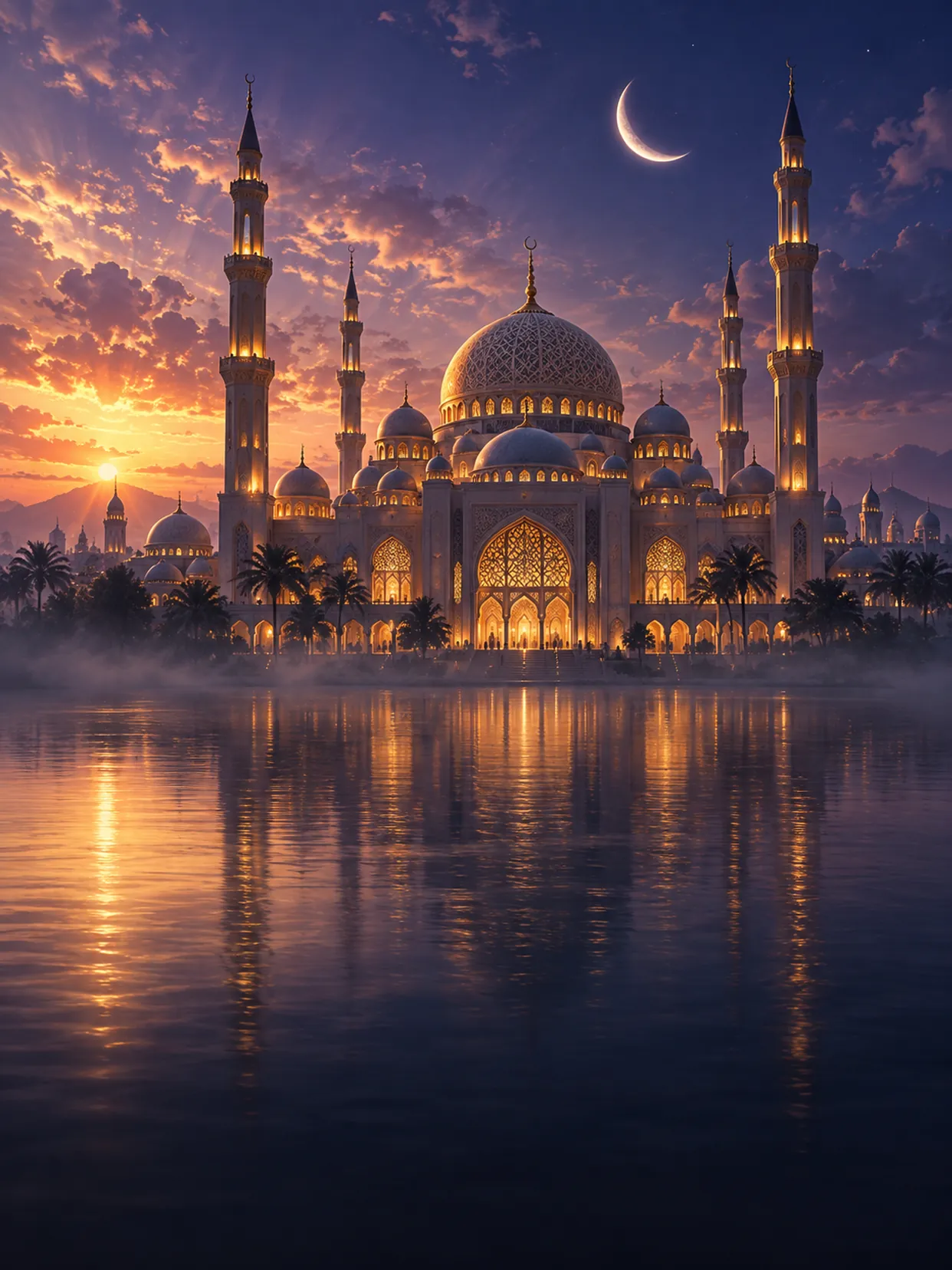
Islam is a monotheistic religion that arose in Arabia in the early 7th century CE. Its name is Arabic for "surrender": a Muslim submits to the will of the one God, Allah. Muslims believe God revealed the Qur'an to Muhammad, the last of a line of prophets that includes Abraham, Moses and Jesus, and they follow the Prophet's example, the Sunna. Shared practice rests on the Five Pillars: profession of faith, daily prayer, almsgiving, the Ramadan fast and pilgrimage to Mecca. With about two billion followers, roughly a quarter of humanity by Pew's 2020 estimate, Islam is the world's second-largest religion. Only about one Muslim in five lives in the Middle East and North Africa. Most Muslims are Sunni; the Shia are the largest minority branch.[10–16]
History
The Prophet in Mecca and Medina c. 570–632
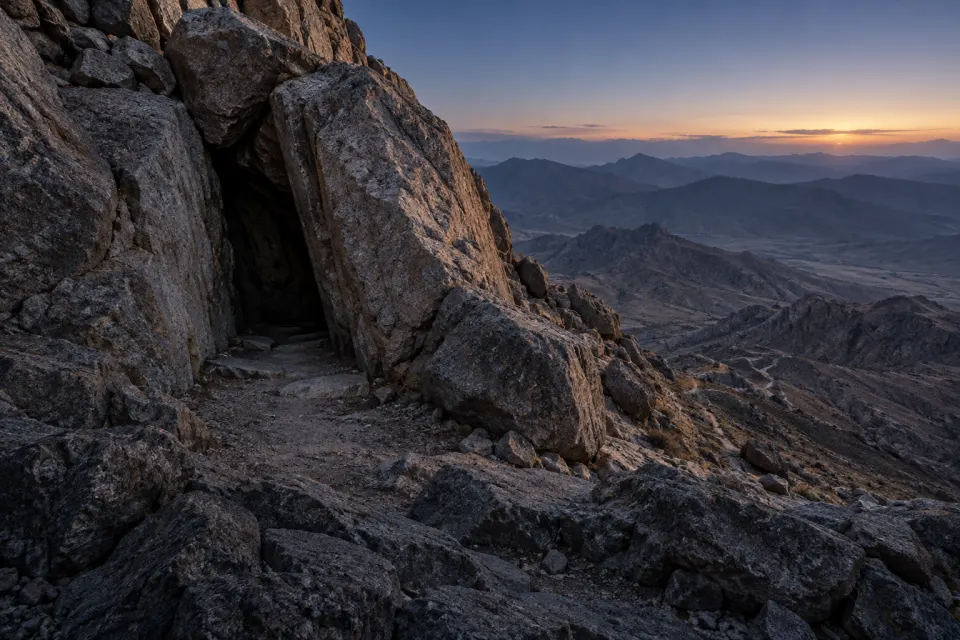
Muhammad was born in Mecca around 570 into the Quraysh, the town's leading merchant tribe. Orphaned young, he managed trading caravans for a wealthy widow, Khadīja, and later married her. Muslim tradition holds that in about 610, as he meditated on Mount Ḥirāʾ, the angel Gabriel brought him the first verses of the Qur'an. His preaching of one God angered Mecca's leaders, and in 622 he and his persecuted followers moved to Yathrib, later called Medina; this emigration, the hijra, marks year 1 of the Muslim calendar. Mecca surrendered to him in 630. By his death in 632, most of Arabia's tribes had at least nominally accepted his rule.[17–20]
Caliphs and conquests 632–750
Leadership passed to caliphs ("successors"), beginning with Abū Bakr, the Prophet's closest companion, who crushed the tribal revolts that followed Muhammad's death. Arab armies then took Syria, Palestine and Egypt from Byzantium and overran Persia's Sasanian realm. ʿUthmān (r. 644–656) reportedly had a standard Qur'an text copied and sent to the main garrison towns. From 661 the Umayyad dynasty ruled from Damascus, and within a century of the Prophet's death Muslim rule reached from Spain to the borders of India. Jews and Christians, as "people of the Book", kept their religions but paid a poll tax, the jizya.[21–24]
Sunni and Shia 632–680 and after
The community never fully agreed on who should lead it. Leading Muslims at Medina chose Abū Bakr, but some held that leadership belonged to the Prophet's family, above all his cousin and son-in-law ʿAlī. ʿAlī became fourth caliph in 656, amid civil war, and was killed at Kufa in 661. In 680 his son al-Ḥusayn, the Prophet's grandson, was killed with most of his small band by an Umayyad army at Karbala, a death the Shia still mourn each year. From these disputes grew the Sunni majority and the Shia minority, whose separate doctrines, schools of law and hadith collections took shape over the following centuries.[25–27]
The classical age 750–1258
In 750 the Abbasid dynasty overthrew the Umayyads, and in 762 it founded a new capital at Baghdad. The early Abbasid caliphs sponsored translations of Greek science and philosophy into Arabic, and law, theology, literature and science flourished. In the 9th century Sunni scholars compiled the hadith collections they came to treat as most authoritative, and four schools of law, the Ḥanafī, Mālikī, Shāfiʿī and Ḥanbalī, won acceptance as orthodox. Sufi mystics formed brotherhoods that would later carry Islam into new lands. Abbasid power fragmented from the 10th century, and in 1258 the Mongols sacked Baghdad and put the caliph to death.[28–31]
New empires and new frontiers c. 1000–1800
Much of Islam's later growth came through Sufi teachers, especially in India, Central Asia, Anatolia and sub-Saharan Africa, and through merchants who carried the faith to coastal India, the Malay world and China. In West Africa, Mansa Musa of Mali made a celebrated pilgrimage to Mecca in 1324–25, and Timbuktu became a centre of Islamic learning. From the 15th century three great empires dominated: the Ottomans, who took Constantinople in 1453 and made Hagia Sophia a mosque; the Safavids, who from 1501 made Twelver Shiʿism Iran's state religion; and the Mughals, masters of much of northern India from the early 1500s.[32–34]
Colonial rule and the modern age 1800–today
In the 19th century European powers brought most Muslim societies under colonial rule, a blow many Muslims took to heart as a spiritual crisis, not only a political one. Responses ranged from Islamic modernism, which sought to reconcile faith with modern science, to activist movements such as the Muslim Brotherhood, founded in Egypt in 1928. The caliphate, claimed by the Ottoman sultans, was abolished in 1924 as the Turkish Republic rose. Between 2010 and 2020, Pew found, Muslims were the world's fastest-growing major religious group, and the still small Muslim communities of Europe and North America grew especially fast.[35–37]
Key moments
- c. 610 CERevelation to Muhammad · Cave of Hira, near Mecca
- 622 CEThe Hijra · Mecca to Medina
- 632 CEThe Farewell Pilgrimage and the hajj · Mecca and the plain of ʿArafat
- c. 650 CEThe Qur'an standardised · Medina
- 691 CEDome of the Rock · Jerusalem
- c. 785 CEThe Great Mosque of Córdoba · Córdoba, al-Andalus (Spain)
- c. 830 CELearning across cultures · Baghdad
- 1095 CEThe First Crusade · Clermont to Jerusalem
- 1236 CEMuʿīn al-Dīn Chishtī of Ajmer · Ajmer, Rajasthan, India
- 1324 CEMansa Musa's pilgrimage · Mali to Cairo and Mecca
- c. 1400 CEIslam comes to Melaka · Melaka (Malacca), Malay Peninsula
- c. 1450 CEKabīr the weaver · Varanasi (Banaras), northern India
- c. 1500 CETimbuktu, city of scholars · Timbuktu, Mali
- c. 1575 CEAkbar's House of Worship · Fatehpur Sikri, India
- 1945 CEPancasila: Indonesia's five principles · Jakarta, Indonesia
- 1947 CEPartition of India · Punjab and Bengal, India and Pakistan
- 1992 CEThe Babri Masjid is demolished · Ayodhya, Uttar Pradesh, India
Beliefs
Tawḥīd · توحيد
oneness (of God)
The heart of Islam is the absolute oneness of God, who has no partner, equal or offspring, who alone creates and sustains everything, and who is both just and merciful. Associating anything with God (shirk) is the gravest sin, which is why Muslims reject the Christian Trinity while honouring Jesus as a prophet.[38]
Malāʾika · ملائكة
angels
Muslims believe in angels, beings created from light who serve God as guardians, as recorders of human deeds and as messengers. Chief among them is Jibrīl (Gabriel), who in Muslim belief brought God's revelations to the prophets, the Qur'an to Muhammad among them.[39]
Nubuwwa · نبوة
prophethood
God has sent prophets to every people, Muslims believe, all of them human, from Adam through Noah, Abraham and Moses to Jesus, and some brought scriptures such as the Torah and the Gospel. Muslims hold that those texts were later altered, and that the Qur'an, given to Muhammad, the "seal of the prophets", is God's final revelation.[40–41]
Al-Ākhira · الآخرة
the hereafter
On the Last Day, Muslims believe, the dead will be raised and every person judged by God according to their deeds. The saved will enter paradise and the condemned hell, both described as bodily as well as spiritual, though God in his mercy may forgive those who repent.[42]
Qadar · قدر
divine decree
Sunni creeds list six articles of faith: God, angels, scriptures, prophets, the Last Day and God's decree. Nothing happens unless God wills it, as the everyday phrase inshāʾAllāh, "if God wills", recalls. How this fits with human responsibility was long debated; al-Ashʿarī taught that God creates human acts and people "acquire" them.[43–44]
Sharīʿa · شريعة
the path; God's law
Sharia is God's law for human life, covering worship and ethics as well as matters a modern state would call law. Scholars work out its details through jurisprudence (fiqh), drawing on the Qur'an, the Sunna, consensus and reasoning, so interpretations differ between schools and over time.[45–46]
Practice
Profession of faith · الشهادة
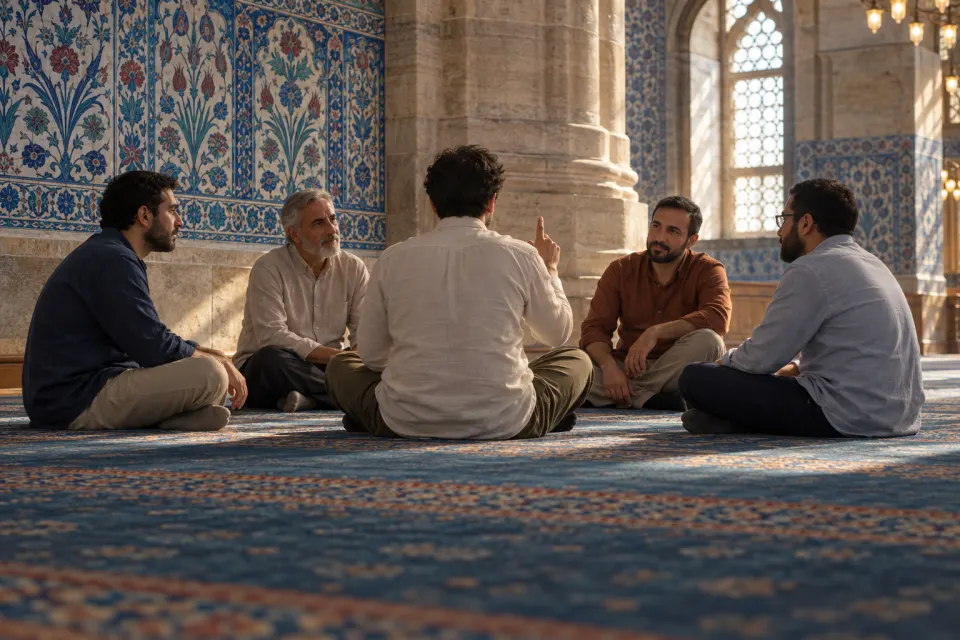
The first pillar is the shahāda: "There is no god but God, and Muhammad is the messenger of God." Saying it sincerely, with understanding and assent, makes a person a Muslim, and converts enter the community by reciting it before Muslim witnesses.[47]
Prayer · صلاة
Muslims pray five times a day, from before sunrise to nightfall. After ritual washing they face the Kaʿba in Mecca and recite the Qur'an in Arabic through cycles of standing, bowing and prostration. Prayer may be said alone in any clean place, but at midday on Friday men gather in the mosque for congregational prayer and a sermon.[48–49]
Almsgiving · زكاة
Zakāt, a word linked to "purity", is an obligatory yearly levy on wealth held for a full year, classically 2.5 percent on cash, given chiefly to the poor and needy. Once often collected by states, it is now in most countries paid at the believer's own discretion.[50]
Fasting in Ramadan · صوم
During Ramadan, the ninth month of the lunar year, adult Muslims who are able go without food, drink and smoking from daybreak to sunset. The sick and travellers make up missed days later, and those who can never fast may feed a poor person instead.[51]
Pilgrimage to Mecca · حج
Every Muslim whose health and means allow must make the hajj to Mecca once in a lifetime, in the month of Dhū al-Ḥijja. Pilgrims in simple consecrated dress (iḥrām) circle the Kaʿba seven times, pass between the hills of Ṣafā and Marwa, stand in prayer at ʿArafāt, stone the pillars at Minā and offer an animal sacrifice.[52–53]
Permitted and forbidden food · حلال وحرام
Islamic law sorts acts and foods into the permitted (ḥalāl) and the forbidden (ḥarām). Pork, blood, carrion and wine are forbidden, and most jurists extend the ban to all intoxicants; meat is lawful when the animal is slaughtered with God's name invoked.[54–55]
Holy days
The year ahead
| Date | Holy day | Reckoned |
|---|---|---|
| 5 January 2027 Begins the evening before | Isrāʾ and Miʿrāj الإسراء والمعراج | 27 Rajab, Islamic calendar |
| 8 February 2027 Begins the evening before | Ramadan begins رمضان | 1 Ramaḍān, Islamic calendar |
| 6 March 2027 Begins the evening before | Laylat al-Qadr ليلة القدر | 27 Ramaḍān, Islamic calendar |
| 9 March 2027 – 11 March 2027 Begins the evening before | Eid al-Fitr عيد الفطر | 1 Shawwāl, Islamic calendar |
| 15 May 2027 Begins the evening before | Day of ʿArafah يوم عرفة | 9 Dhū al-Ḥijja, Islamic calendar |
| 16 May 2027 – 19 May 2027 Begins the evening before | Eid al-Adha عيد الأضحى | 10 Dhū al-Ḥijja, Islamic calendar |
| 6 June 2027 Begins the evening before | Islamic New Year رأس السنة الهجرية | 1 Muḥarram, Islamic calendar |
| 15 June 2027 Begins the evening before | Ashura عاشوراء | 10 Muḥarram, Islamic calendar |
| 14 August 2027 Begins the evening before | Mawlid al-Nabī المولد النبوي | 12 Rabīʿ al-Awwal, Islamic calendar |
Laylat al-Qadr · ليلة القدر
One of the last ten nights of Ramadan, often the 27th (moves through the year)
Muslims believe the Qur'an was first revealed during Ramadan, on the Night of Power. Its exact date is uncertain; many observe it on one of the month's last ten nights, most often the 27th, as the holiest night of the year.[56]
Eid al-Fitr · عيد الفطر
1 Shawwāl, at the end of Ramadan (moves through the year)
The Festival of Breaking the Fast ends Ramadan and lasts up to three days. It opens with a communal morning prayer, before which Muslims must give alms, and continues with visits to family and friends, gifts and festive food.[57]
Eid al-Adha · عيد الأضحى
10 Dhū al-Ḥijja, at the end of the hajj (moves through the year)
The Feast of Sacrifice, the greater of the two festivals, marks the climax of the hajj and is kept by Muslims everywhere. It recalls Abraham's readiness to sacrifice his son, whom Muslim tradition identifies as Ishmael, and families who can afford it sacrifice an animal.[58]
Ashura · عاشوراء
10 Muḥarram (moves through the year)
For Shia Muslims, Ashura ends ten days of mourning for al-Ḥusayn, killed at Karbala in 680, kept with processions, sermons and passion plays. For Sunnis it is a day of blessing, often marked by voluntary fasting.[59–60]
Mawlid al-Nabī · المولد النبوي
12 Rabīʿ al-Awwal in Sunni tradition (moves through the year)
The Prophet's birthday, widely celebrated from about the 13th century, is marked with gatherings, processions and poems in his praise. Some scholars have always condemned it as an innovation, and Wahhabi and Salafi Muslims still reject it.[61–62]
People

Ibrāhīm (Abraham) · إبراهيم
prophet
Muslims honour Abraham as the model of pure faith in one God and an ancestor of their religion through his son Ismāʿīl (Ishmael). By tradition father and son built the Kaʿba, and both the hajj and the Feast of Sacrifice recall their story.[63]

Muhammad · محمد
prophet · c. 570–632
Muslims revere Muhammad as God's final messenger, through whom the Qur'an was revealed, and as the model believer whose words and practice, the Sunna, guide daily life. In Medina he also led the first Muslim community as its lawgiver, judge and commander.[2, 13, 64]

Khadīja · خديجة
other · d. 619
A Meccan merchant, Khadīja hired the young Muhammad to lead a caravan to Syria and later married him. Tradition remembers her as the first person to believe in his message and his firmest support until her death in 619, a few years before the hijra.[65]
ʿAlī ibn Abī Ṭālib · علي بن أبي طالب
ruler · c. 600–661
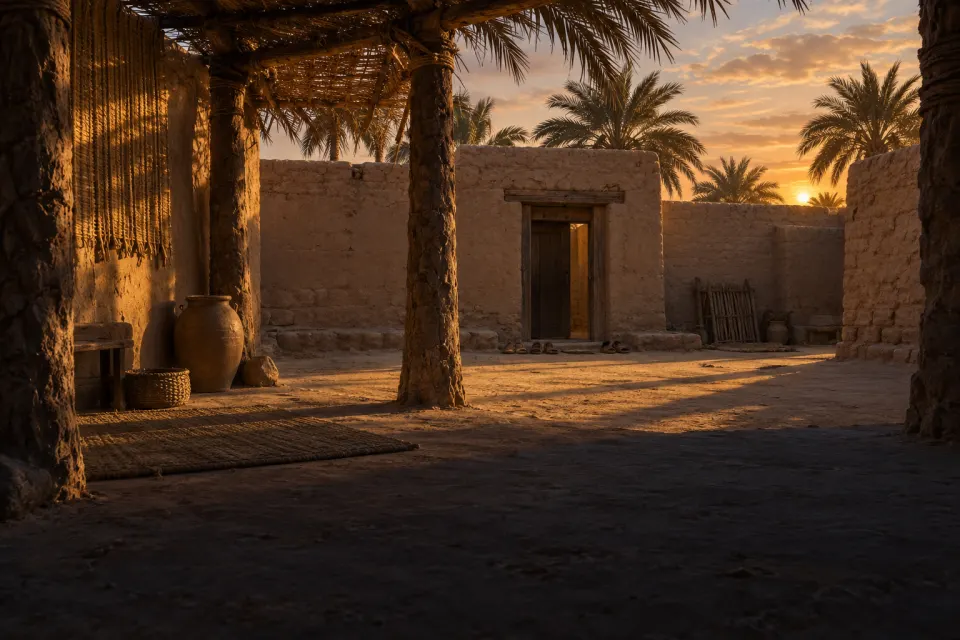
Muhammad's cousin, raised in his household, ʿAlī married the Prophet's daughter Fāṭima and was among the first to accept Islam. Sunnis count him the fourth rightly guided caliph (656–661); for Shia Muslims he is the first imam and the Prophet's rightful successor.[66–67]
al-Ghazālī · الغزالي
scholar · 1058–1111
A Persian theologian and jurist, al-Ghazālī taught at the Niẓāmiyya college in Baghdad until a spiritual crisis led him to leave in 1095 for the life of a Sufi. His Revival of the Religious Sciences (Iḥyāʾ ʿulūm al-dīn) did much to make Sufism an accepted part of Sunni Islam.[68]
Scripture
The Qur'an · القرآن
c. 610–632 (revelation, by tradition)
Muslims regard the Qur'an, whose name means "recitation", as the literal speech of God, revealed to Muhammad over some two decades. Its 114 chapters (sūras) run roughly from longest to shortest after a brief opening chapter recited in every prayer. Many Muslims learn its Arabic text by heart.[69–70]
The Forty Hadith of al-Nawawī · الأربعون النووية
13th century
A short anthology of about forty sayings of the Prophet, chosen to sum up the essentials of the faith by the Shāfiʿī jurist Yaḥyā al-Nawawī (1233–1277). It has long been one of the most popular hadith books among Sunni Muslims.[71]
Places

The Kaʿba and the Sacred Mosque, Mecca
SAU
The Kaʿba, a cube-shaped shrine draped in black at the centre of the Sacred Mosque, is Islam's holiest place. Muslims everywhere face it in prayer and circle it on pilgrimage; tradition holds that Abraham built it.[72]
The Prophet's Mosque, Medina
SAU
The mosque grew from Muhammad's own house and courtyard, the model for later mosques. It holds his tomb, and Muslims rank it second in holiness only to the Sacred Mosque in Mecca.[73]
Al-Aqsa and the Dome of the Rock, Jerusalem
PSE · UNESCO World Heritage, 1981
Jerusalem is Islam's third holiest city, the first direction of prayer and, in Muslim belief, the goal of the Prophet's Night Journey. Its Noble Sanctuary holds al-Aqsa Mosque and the Dome of the Rock (c. 691–692), Islam's oldest surviving monument, within UNESCO's Old City of Jerusalem site.[74–76]
Shrine of Imam al-Ḥusayn, Karbala
IRQ
Al-Ḥusayn's tomb at Karbala is one of the foremost Shia shrines, and in the pilgrimage seasons it draws vast crowds of pilgrims, many of them from Iran.[77]
Where it spread
| Region | From | How |
|---|---|---|
| Saudi Arabia | 610 CE | Mecca; the community moved to Medina in 622 |
| Ethiopia | 615 CE | SAU. Early Muslims sheltered at the Aksumite court (the first hijra); Muslim sultanates grew from the 9th century |
| United Arab Emirates | 630 CE | SAU |
| Bahrain | 630 CE | SAU |
| Oman | 630 CE | SAU |
| Qatar | 630 CE | SAU |
| Yemen | 630 CE | SAU |
| Kuwait | 633 CE | SAU |
| Iraq | 636 CE | SAU |
| Jordan | 636 CE | SAU |
| Lebanon | 636 CE | SAU |
| Syria | 636 CE | SAU |
| Israel | 637 CE | SAU |
| Palestine | 637 CE | SAU. Jerusalem |
| Azerbaijan | 640 CE | |
| Egypt | 641 CE | SAU |
| Libya | 643 CE | EGY |
| China | 651 CE | Traditional date of the first embassy; merchant communities in Guangzhou followed |
| Iran | 651 CE | SAU. Conquest completed by 651; most Iranians became Muslim over the following centuries |
| Turkmenistan | 651 CE | Merv |
| Tunisia | 670 CE | EGY. Kairouan |
| Algeria | 680 CE | TUN |
| Afghanistan | 700 CE | Herat and Balkh; Kabul in the 9th century |
| Morocco | 700 CE | TUN |
| Uzbekistan | 710 CE | Bukhara and Samarkand |
| Spain | 711 CE – 1614 CE | MAR. al-Andalus; Granada fell in 1492 and the Moriscos were expelled in 1609–1614 |
| Pakistan | 711 CE | IRQ. Sindh |
| Portugal | 711 CE – 1497 CE | Gharb al-Andalus; Muslim rule ended in 1249, remaining Muslims were expelled in 1496–97 |
| Tajikistan | 720 CE | |
| Russia | 730 CE | Derbent in Dagestan; Volga Bulgaria adopted Islam in 922 |
| India | 800 CE | Arab merchant communities on the western coast; the Delhi Sultanate from 1206 |
| Kenya | 800 CE | Swahili coast |
| Italy | 831 CE – 1300 CE | Emirate of Sicily; the last community, at Lucera, was dispersed in 1300 |
| Djibouti | 900 CE | Tadjoura and the Zeila coast |
| Eritrea | 900 CE | Dahlak islands; Arabic tombstones from the 9th–10th centuries |
| Kazakhstan | 900 CE | |
| Sri Lanka | 900 CE | Arab traders; today about a tenth of Sri Lankans |
| Somalia | 900 CE | Zeila and Mogadishu; local tradition dates Zeila's oldest mosque to the 7th century |
| Tanzania | 900 CE | Kilwa and Zanzibar |
| Kyrgyzstan | 950 CE | Karakhanids |
| Mali | 1000 CE | Gao; later the Mali Empire |
| Mozambique | 1000 CE | Coastal trading towns |
| Senegal | 1040 CE | Takrur |
| Western Sahara | 1050 CE | Almoravids |
| Mauritania | 1050 CE | Almoravids |
| Turkey | 1071 CE | IRN. Anatolia after Manzikert |
| Chad | 1085 CE | Kanem |
| Niger | 1100 CE | |
| Maldives | 1153 CE | Traditional date |
| Bangladesh | 1204 CE | |
| Indonesia | 1290 CE | Samudera Pasai |
| Guinea | 1300 CE | |
| Gambia | 1300 CE | Mandinka traders and clerics from the Mali Empire; most people became Muslim in the 19th century |
| Malaysia | 1300 CE | Terengganu Inscription (1303 or later); Malacca's rulers adopted Islam in the 15th century |
| Nigeria | 1300 CE | Kanem-Bornu and Kano |
| Sudan | 1300 CE | |
| Ukraine | 1313 CE | Crimean Tatars |
| Bulgaria | 1370 CE | TUR. Turkish and Pomak communities |
| Greece | 1370 CE | Ottoman era; the Muslims of Western Thrace were exempted from the 1923 population exchange |
| Philippines | 1380 CE | Sulu |
| North Macedonia | 1392 CE | TUR |
| Belarus | 1397 CE | Lipka Tatars |
| Lithuania | 1397 CE | Lipka Tatars settled by Grand Duke Vytautas |
| Burkina Faso | 1400 CE | |
| Brunei | 1400 CE | |
| Poland | 1400 CE | Lipka Tatars |
| Myanmar | 1430 CE | Arakan (Rakhine) and trading ports |
| Côte d'Ivoire | 1450 CE | |
| Ghana | 1450 CE | |
| Thailand | 1450 CE | Patani |
| Kosovo | 1455 CE | TUR |
| Serbia | 1460 CE | Ottoman era; today mainly in Sandžak and the south |
| Bosnia and Herzegovina | 1463 CE | TUR |
| Albania | 1500 CE | TUR |
| Guinea-Bissau | 1500 CE | |
| Montenegro | 1500 CE | Ottoman era |
| Nepal | 1500 CE | Kashmiri merchants in Kathmandu; today mainly in the Terai |
| Hungary | 1541 CE – 1686 CE | Ottoman Buda and central Hungary |
| Cyprus | 1571 CE | TUR. Ottoman conquest; Turkish Cypriots |
| Georgia | 1600 CE | Adjara under Ottoman rule; Azerbaijani communities in the south-east |
| Cambodia | 1600 CE | Cham and Malay Muslims |
| South Africa | 1658 CE | IDN. Cape Malays |
| Benin | 1700 CE | Northern Benin and Porto-Novo; approximate date |
| Sierra Leone | 1700 CE | |
| Liberia | 1750 CE | Mandingo and Vai communities; approximate date |
| Togo | 1750 CE | Northern and central Togo; approximate date |
| Cameroon | 1809 CE | Adamawa in the north |
| Singapore | 1819 CE | Malay, Bugis, Arab and Indian Muslims |
| Mauritius | 1834 CE | IND. Indian indentured workers and traders |
| Guyana | 1838 CE | IND |
| Malawi | 1840 CE | |
| Uganda | 1844 CE | |
| Trinidad and Tobago | 1845 CE | IND |
| Central African Republic | 1850 CE | The north, via Wadai and Bagirmi |
| Australia | 1860 CE | Afghan cameleers |
| Mongolia | 1870 CE | Kazakhs of Bayan-Ölgii |
| Suriname | 1873 CE | Indian and Javanese indentured workers |
| Fiji | 1879 CE | IND. Indian indentured workers |
| United Kingdom | 1889 CE | Liverpool and Woking |
| Gabon | 1900 CE | |
| United States | 1900 CE | Enslaved West African Muslims were present from the 1600s; lasting congregations from the early 1900s |
| France | 1920 CE | DZA. The Grand Mosque of Paris opened in 1926 |
| Canada | 1938 CE | Al-Rashid Mosque, Edmonton |
| Germany | 1961 CE | TUR. Turkish guest workers |
| Switzerland | 1963 CE | Zurich's Mahmud Mosque opened in 1963 |
| Austria | 1964 CE | Guest workers; Islam has been legally recognized since 1912 |
| Belgium | 1964 CE | MAR |
| Netherlands | 1964 CE | TUR. Turkish, then Moroccan, guest workers; also Surinamese and Moluccan Muslims |
| Denmark | 1967 CE | |
| Spain | 1970 CE | Modern community, mainly Moroccan |
| Norway | 1970 CE | |
| Sweden | 1970 CE | |
| Italy | 1980 CE |
Art & objects
Public-domain objects from museum collections. Select one to see it at the museum.
 Page from a Copy of The Qur'anMiddle East, 9th/10th century
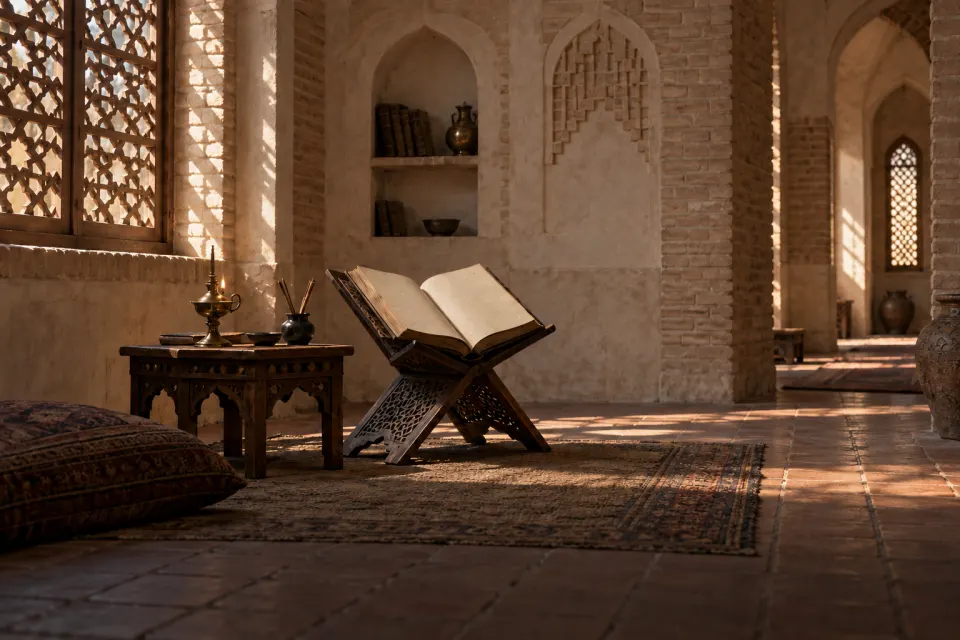
 A folding Qur’an standJammu-Kashmir, 19th century
 Eight Point Star Tile with Qur'anic InscriptionsIran, Ilkhanid dynasty (1256–1353), Mid-13th century
 AstrolabeIran, Qajar dynasty (1786–1925), Late 18th century with later additions
 Qur'an Manuscript Folio (Recto); Illuminated PageAfghanistan, Herat, Safavid period (1501–1722), 1500s
 Qur'an Manuscript Folio (Verso); Right folio of Double-Page Illuminated FrontispieceAfghanistan, Herat, Safavid period (1501–1722), 1500s
 Mosque LampTurkey, Iznik, Ottoman period (1299–1922), 1585–95
 Mosque Lamp Bearing the Name of the Mamluk Sultan al-Malik al-Nasirca. 1340
 "Marasali" Shirvan Prayer Rugdated 1223 AH/1808–9 CE
 Mihrab (Prayer Niche)dated 755 AH/1354–55 CE
 Folio from the "Blue Qur'an"second half 9th–mid-10th century
Numbers
- Muslims worldwide
- c. 2.0 billion (2020)[9]
Pew Research Center estimate for 2020. The World Christian Database (Gordon-Conwell) gives 1.90 billion for 2020 and 2.06 billion for 2025.
- Share of the world's population
- 25.6% (2020)[15]
Pew estimate; up from 23.9% in 2010.
- Shia share of all Muslims
- c. 10–13% (2009 estimate)[10]
Pew's 2009 range; the Sunni share was 87–90%.
- Muslims in the Middle East and North Africa
- c. one in five (2020)[16]
414 million of about 2 billion, by Pew's estimate.
National censuses
| Country | Year | Count | Share |
|---|---|---|---|
| India Muslim | 2011 | 172,245,158 | 14.2% |
| United Kingdom (England and Wales) Muslim | 2021 | 3,868,133 | 6.5% |
| Canada Muslim | 2021 | 1,775,715 | 4.9% |
| Australia Islam | 2021 | 813,392 | 3.2% |
| New Zealand all Islam responses | 2018 | 61,455 | 1.3% |
Source: Australian Bureau of Statistics, Census of Population and Housing 2021, 'Religious affiliation in Australia' (Table 4), CC BY 4.0. Source: Office of the Registrar General & Census Commissioner, India, Census of India 2011, Table C-01 Population by religious community and its appendix, under the Government Open Data License – India. Source: Office for National Statistics licensed under the Open Government Licence v.3.0 Adapted from Statistics Canada, Table 98-10-0342-01 Religion by visible minority and generation status: Canada, provinces and territories, census metropolitan areas and census agglomerations with parts, released 2022-10-26. This does not constitute an endorsement by Statistics Canada of this product. Source: Stats NZ, 2018 Census, licensed by Stats NZ for re-use under the Creative Commons Attribution 4.0 International licence.
How we know
Sources for the Prophet's life
The Qur'an names Muhammad but gives few details of his life and no dates. Most of his story comes from biographies (sīra) and hadith written down in the 8th and 9th centuries, above all Ibn Isḥāq's life of the Prophet, known through Ibn Hishām's later edition, which historians read critically. A few non-Muslim texts from the following decades mention him, and most historians accept the traditional outline while doubting its exact chronology.[78–80]
The text of the Qur'an
Muslim tradition says the Qur'an was gathered into writing soon after Muhammad's death and standardised under ʿUthmān around 650, fixing its consonantal text. In 2015 radiocarbon tests dated the parchment of two Qur'an leaves at the University of Birmingham to between 568 and 645. The test dates the skin rather than the writing, and scholars disagree about what it implies.[81–82]
Common misconceptions
Myth Allah is a different god from the God of Jews and Christians.
Fact Allah is simply the Arabic word for God, and Arabic-speaking Christians and Jews use it too. Muslims understand their God as the one God of Abraham, Moses and Jesus, even though they reject Christian doctrines such as the Trinity.[38, 83]
Myth Most Muslims are Arabs.
Fact Arabs are only about a fifth of the world's Muslims. The countries with the most Muslims, Indonesia, Pakistan, India and Bangladesh, all lie outside the Middle East, and only about one Muslim in five lives in the Middle East and North Africa.[16, 84]
Myth Jihad simply means "holy war".
Fact The Arabic word means "struggle" or "striving". It covers the inner effort to live rightly and the work of promoting good and resisting wrong, as well as armed struggle in defence of the community, which classical law surrounded with rules. "Holy war" is a misleading translation.[85]
Glossary
- Muslim · مسلم
- One who submits to God. The word comes from the same Arabic root as islām, "surrender".[11]
- Sūra · سورة
- A chapter of the Qur'an. There are 114, of very unequal length.[70]
- Sunna · سنة
- "Established custom": the example of the Prophet's words and deeds, known through hadith reports and second only to the Qur'an as a guide.[13]
- Hadith · حديث
- A report of something the Prophet said or did, handed down with a chain of named transmitters; also the whole body of such reports.[86]
- Fiqh · فقه
- Islamic jurisprudence (literally "understanding"): the scholarly work of deriving the rules of sharia from its sources.[46]
- Madhhab · مذهب
- A school of legal interpretation. Sunnis recognise four: the Ḥanafī, Mālikī, Shāfiʿī and Ḥanbalī.[29]
- Imam · إمام
- Generally, the person who leads congregational prayer. In Shia Islam it is also the title of the divinely guided leaders descended from ʿAlī.[87]
- Caliph · خليفة
- "Successor": the title of the leaders of the Muslim community after Muhammad, from Abū Bakr in 632 until the office was abolished in 1924.[21, 36]
- Sufism · تصوف
- Islam's mystical tradition, which seeks a direct inner knowledge of God, often within brotherhoods led by a spiritual master.[88]
Sources
Each statement above was checked against published sources; the verdict says whether it stood as written, was corrected or was hedged.
- VerifiedBritannica, Islam; Encyclopedia.com, Islam; Met, The Birth of Islam.
- VerifiedBritannica, Muhammad; Britannica, Islam; Met, The Prophet Muhammad and the Origins of Islam.
- VerifiedBritannica, Hadith; Met, Origins of Islam.
- VerifiedBritannica, Allah; Britannica, Islam: Doctrines of the Qur'an; Encyclopedia.com, Islam.
- VerifiedEncyclopedia.com, Islam; Britannica, Islam: Prayer.
- VerifiedBritannica, ʿulamāʾ; Encyclopedia.com, Islam.
- VerifiedBritannica, Qur'an; Met, Birth of Islam; Encyclopedia.com, Islam.
- VerifiedBritannica, Islam: Prayer; Met, Origins of Islam; Encyclopedia.com, Islam.
- VerifiedPew Research Center, Islam was the world's fastest-growing religion from 2010 to 2020; Gordon-Conwell Center for the Study of Global Christianity.
- VerifiedPew, Mapping the Global Muslim Population; Britannica, Ibāḍiyyah; Encyclopaedia Judaica, Ibāḍīs; Cornell University Library, Islam in Asia: Muslim Populations (supporting).
- VerifiedBritannica, Islam; Encyclopedia.com, Islam.
- VerifiedBritannica, Islam; Met, Origins of Islam; Encyclopedia.com, Islam.
- VerifiedBritannica, Hadith; Britannica, Islam; Met, Origins of Islam.
- VerifiedBritannica, Islam: Eschatology; Met, The Five Pillars of Islam; Bowker, Five Pillars of Islam, via Encyclopedia.com.
- VerifiedPew 2025 short read; Pew, How the Global Religious Landscape Changed From 2010 to 2020; Gordon-Conwell 2025.
- VerifiedPew 2025 short read; Encyclopedia.com, Islam; Cornell University Library guide (supporting).
- VerifiedEncyclopedia.com, Islam; Met, Origins of Islam; Britannica, Khadijah.
- VerifiedBritannica, Muhammad; Met, Origins of Islam; Encyclopedia.com, Islam.
- VerifiedMet, Origins of Islam; Encyclopedia.com, Islam; Britannica, Islam.
- VerifiedEncyclopedia.com, Islam; Britannica, Riddah; Met, Origins of Islam.
- VerifiedBritannica, Abū Bakr; Encyclopedia of World Biography, Abu Bakr, via Encyclopedia.com; Met, Birth of Islam.
- VerifiedMet, Birth of Islam; Encyclopedia.com, Islam.
- VerifiedBritannica, Qur'an; Britannica, Umayyad dynasty; Britannica, Islam; Encyclopedia.com, Islam; Met, Art of the Abbasid Period.
- VerifiedBritannica, Islam; Encyclopedia.com, Islam.
- VerifiedBritannica, Shiʿi; Met, Origins of Islam; Britannica, Ali.
- VerifiedBritannica, Ali; World Religions Reference Library, ʿAli ibn Abi Talib, via Encyclopedia.com; Britannica, Ashura; Britannica, Umayyad dynasty.
- VerifiedBritannica, Hadith; EIMW, Hadith; Britannica, Shiʿi.
- VerifiedBritannica, Abbasid caliphate; Met, Art of the Abbasid Period; Britannica, Islam: Prayer; Encyclopedia.com, Islam.
- VerifiedBritannica, Islam; Britannica, Sunni; Met, Art of the Abbasid Period; EoR, Madhhab.
- VerifiedBritannica, Islam; Encyclopedia.com, Islam.
- VerifiedMet, Art of the Abbasid Period; Encyclopedia.com, Islam; Britannica, Abbasid caliphate.
- VerifiedBritannica, Islam; Encyclopedia.com, Islam.
- VerifiedBritannica, Mūsā I of Mali; Met, Western and Central Sudan 1000–1400.
- VerifiedBritannica, Fall of Constantinople; Britannica, Safavid dynasty; Britannica, Mughal dynasty; Encyclopedia.com, Islam.
- VerifiedEncyclopedia.com, Islam; Britannica, Muslim Brotherhood; Britannica, Islam.
- VerifiedBritannica, Caliphate; New Catholic Encyclopedia.
- VerifiedPew 2025 short read; Gordon-Conwell 2025; Encyclopedia.com, Islam.
- VerifiedBritannica, Islam; Britannica, Allah; Encyclopedia.com, Islam.
- VerifiedEncyclopedia.com, Islam; Britannica, Islam: Eschatology; Britannica, Islam.
- VerifiedBritannica, Islam; Encyclopedia.com, Islam; Oxford Reference, Khatam al-Nabiyyin.
- VerifiedEncyclopedia.com, Islam; Britannica, Islam: Eschatology; Britannica, Islam.
- VerifiedBritannica, Islam: Eschatology; Encyclopedia.com, Islam.
- VerifiedEIMW, Religious Beliefs; Oxford Reference, Bowker, Qadar; Britannica, Islam: Sunnism.
- VerifiedBritannica, Islam: Sunnism; Bowker, Qadar, via Encyclopedia.com.
- VerifiedBritannica, Sharia; Encyclopedia of the Modern Middle East and North Africa, Muslim Scholars; Encyclopedia.com, Islam.
- VerifiedBritannica, Islam; Britannica, ʿulamāʾ; Britannica, Sharia; EoR, Fiqh, via Encyclopedia.com.
- VerifiedBritannica, Islam: Eschatology; Met, Five Pillars; Oxford Reference, Shahāda.
- VerifiedBritannica, Islam: Eschatology; Met, Five Pillars; Bowker, Ṣalāt, via Encyclopedia.com; Encyclopedia.com, Islam.
- VerifiedBritannica, Islam: Eschatology; Met, Five Pillars; Bowker, Ṣalāt.
- VerifiedBritannica, Islam: Eschatology; EoR, Zakāt, via Encyclopedia.com.
- VerifiedBritannica, Islam: Eschatology; Bowker, Ramaḍān, via Encyclopedia.com; Met, Five Pillars.
- VerifiedBritannica, Islam: Eschatology; Met, Five Pillars.
- VerifiedBritannica, Islam: Eschatology and Prayer; Met, Five Pillars; Bowker, Ḥajj, via Encyclopedia.com.
- VerifiedBritannica, halal; OEIW, Dietary Rules; Bowker, al-Ḥalāl wa'l-Ḥarām, via Encyclopedia.com.
- VerifiedEncyclopedia.com, Islam; OEIW, Dietary Rules.
- VerifiedBritannica, Islam: Eschatology; Bowker, Ramaḍān; Encyclopedia.com, Islam.
- VerifiedBritannica, Eid al-Fitr; Dictionary of the Israeli-Palestinian Conflict, Muslim Religious Holidays, via Encyclopedia.com; Encyclopedia.com, Islam.
- VerifiedBritannica, Eid al-Adha; Encyclopedia.com, Islam; Dictionary of the Israeli-Palestinian Conflict.
- VerifiedBritannica, Ashura; Encyclopedia.com, Islam; Dictionary of the Israeli-Palestinian Conflict.
- VerifiedBritannica, Ashura; Oxford Reference, Bowker, Festivals and fasts.
- VerifiedBritannica, mawlid; Dictionary of the Israeli-Palestinian Conflict; Encyclopedia.com, Islam.
- VerifiedBritannica, mawlid; Oxford Encyclopedia of Islam in North America, Sufism in North America.
- VerifiedEncyclopedia.com, Islam; Britannica, Islam: Prayer; Met, Five Pillars.
- VerifiedEncyclopedia.com, Islam; Britannica, Prophet's Mosque; Britannica, Islam.
- VerifiedBritannica, Khadijah; Encyclopedia.com, Islam.
- VerifiedBritannica, Ali; World Religions Reference Library, ʿAli ibn Abi Talib, via Encyclopedia.com.
- VerifiedBritannica, Ali; Met, Origins of Islam; Britannica, imam.
- VerifiedBritannica, al-Ghazālī; EIMW, Ghazali, al.
- VerifiedBritannica, Qur'an; Met, Birth of Islam; Encyclopedia.com, Islam.
- VerifiedBritannica, Qur'an; Encyclopedia.com, Islam.
- VerifiedOEIW, Nawawī, Muḥyī al-Dīn al; Britannica, Hadith.
- VerifiedBritannica, Islam: Prayer; Met, Five Pillars; World Encyclopedia and Oxford Dictionary of Phrase and Fable, Kaaba, via Encyclopedia.com.
- VerifiedBritannica, Prophet's Mosque; Britannica, Islam: Prayer; Met, Birth of Islam; EIMW, Holy Cities.
- VerifiedBritannica, Islam: Prayer; Encyclopedia.com, Islam; Met, Origins of Islam.
- VerifiedBritannica, Dome of the Rock; EIMW, Dome of the Rock.
- VerifiedUNESCO World Heritage Centre, State of Conservation 2017, Old City of Jerusalem and its Walls; United Nations.
- VerifiedBritannica, Karbala; EoR, Karbala.
- VerifiedBritannica, Muhammad; EIMW, Muhammad.
- VerifiedBritannica, Muhammad; EIMW, Muhammad.
- VerifiedBritannica, Muhammad; Robert G. Hoyland, Seeing Islam as Others Saw It: A Survey and Evaluation of Christian, Jewish and Zoroastrian Writings on Early Islam; Oxford Dictionary of Late Antiquity, Arab conquest (supporting).
- VerifiedBritannica, Qur'an; Encyclopedia.com, Islam.
- VerifiedUniversity of Birmingham, Birmingham Qur'an manuscript dated among the oldest in the world; Bodleian Libraries, Oxford, Digital Mushaf blog, Keith Small, The Birmingham Qur'an: Too Many Options.
- VerifiedBritannica, Allah; Contemporary American Religion, Allah.
- VerifiedPew 2025 short read; Encyclopedia.com, Islam.
- VerifiedBritannica, jihad; EoR, Jihād; Britannica, Islam: Eschatology.
- VerifiedBritannica, Hadith; EIMW, Hadith.
- VerifiedBritannica, imam; New Catholic Encyclopedia.
- VerifiedBritannica, al-Ghazālī; EoR, Sufism; Encyclopedia.com, Islam.
Last fact-checked 3 October 2026.